

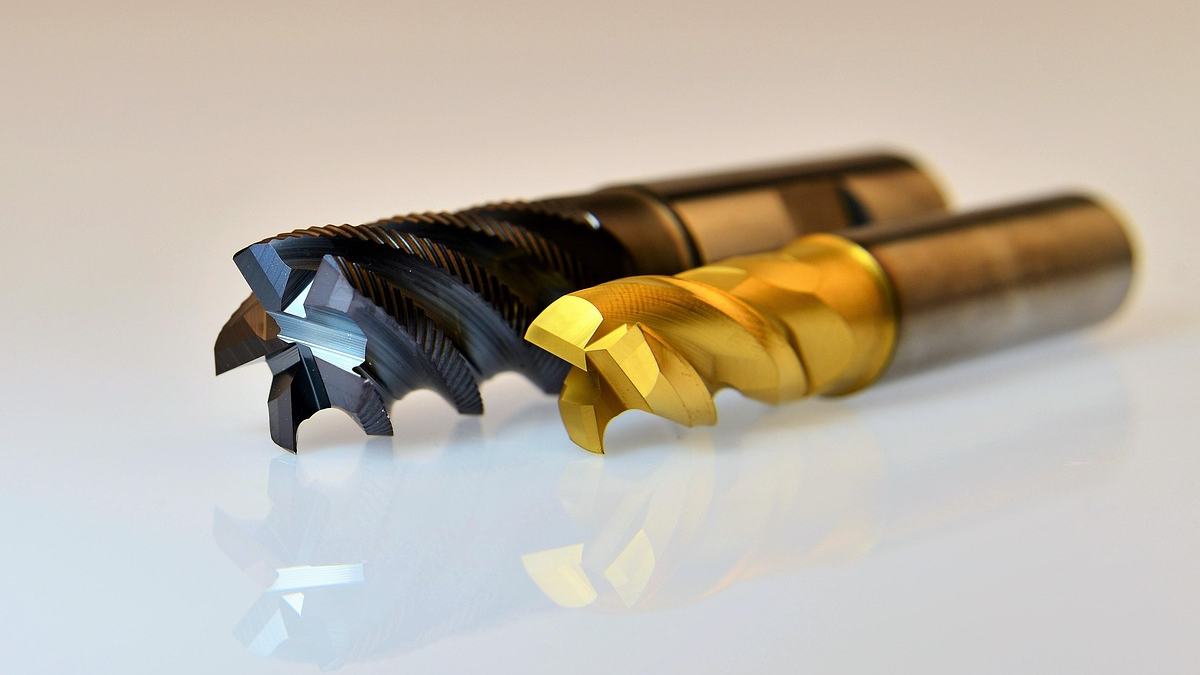
CNC cutting tools don’t fail all at once. In most cases, they send warning signals long before catastrophic failure occurs. The problem is that these signs are often subtle, easy to overlook, or mistaken for programming or machine issues. Ignoring worn tooling doesn’t just affect part quality—it can lead to excessive machine wear, unplanned downtime, and higher operating costs. Monitoring tool condition closely, especially when running high-production cnc milling machine tools, helps shops stay ahead of problems before they escalate.
Tool wear is inevitable, but unexpected failure is not. Understanding the most common indicators of wear allows machinists to replace tools at the right time—maximizing tool life without risking machine damage or scrap.
Common Indicators of Tool Wear and Damage
One of the earliest signs of tool wear is a decline in surface finish. When cutting edges begin to dull, parts may show chatter marks, tearing, or inconsistent finishes. These defects often appear gradually and worsen over time, making them easy to dismiss as minor process variation.
Increased cutting forces are another warning sign. Worn tools require more force to remove material, which can cause noticeable changes in spindle load or audible strain during cutting. Machines may sound louder or feel less smooth when tools are past their prime.
Excessive heat generation is closely tied to wear. Dull tools generate friction instead of cleanly shearing material, leading to higher temperatures at the cutting edge. Heat accelerates wear, degrades coatings, and increases the risk of tool failure. Discoloration on tools or chips is often a clear indicator of overheating.
Dimensional inconsistency is another red flag. As tools wear unevenly, parts may begin to drift out of tolerance even when programs remain unchanged. Small variations in diameter, depth, or profile often point to edge breakdown or uneven wear patterns.
Chipping or edge deformation is a more visible sign that replacement is overdue. Micro-chipping may not always be obvious to the naked eye, but it affects cutting stability and surface quality. Once chipping begins, wear accelerates rapidly.
Unusual vibration or chatter also signals tool degradation. As cutting edges lose sharpness, they engage material less evenly, increasing vibration. This not only affects finish but also places additional stress on spindle bearings and tool holders.
Finally, increased burr formation can indicate worn tools. Clean edges become harder to achieve as sharpness decreases, requiring secondary deburring operations that add time and cost to production.
Why Timely Replacement Prevents Costly Machine Issues
Replacing cutting tools at the right time isn’t just about maintaining part quality—it’s about protecting the machine itself. Worn tools transmit higher forces and vibrations through the spindle, which accelerates wear on bearings, tool holders, and drive components.
When tools fail unexpectedly, the consequences can be severe. Tool breakage at high RPM can damage fixtures, workpieces, and even machine enclosures. These incidents often result in extended downtime and expensive repairs that far exceed the cost of the tool itself.
Timely tool replacement also improves process stability. Consistent cutting performance makes it easier to maintain predictable cycle times and repeatable results. This stability is especially important in shops running multiple operations or tight-tolerance jobs using cnc machine tools across different materials.
Tool wear also impacts measurement accuracy. As cutting edges degrade, machinists may chase tolerance issues that aren’t caused by programming or setup errors. Reliable measurement tools help identify whether dimensional changes stem from tool wear rather than machine drift. Using precision instruments like a bore gauge allows machinists to detect subtle changes early and make informed decisions about tool replacement.
Proactive replacement reduces scrap rates. Parts produced with worn tools are more likely to fail inspection, especially toward the end of a tool’s life. Scrapped parts represent wasted material, machine time, and labor—all of which impact profitability.
There’s also a safety component. Excessive vibration, tool breakage, and unexpected failures increase risk for operators and nearby equipment. Maintaining tools in good condition helps create a safer, more predictable shop environment.
Finally, tracking tool wear improves long-term efficiency. Shops that document tool life and wear patterns can optimize cutting parameters, select better-suited tooling, and reduce overall tooling costs. Instead of reacting to failures, they operate with intention and control.
Conclusion
Worn CNC cutting tools rarely fail without warning. Declining surface finish, increased heat, vibration, and dimensional inconsistency are all signs that replacement may be overdue. Addressing these indicators early prevents damage to machines, reduces scrap, and improves overall shop efficiency. By replacing tools proactively and monitoring wear closely, machinists protect both their equipment and their bottom line—turning tooling maintenance into a strategic advantage rather than a costly setback.


Hey Adventurers, Gear Up for the March on Quel’Danas Onslaught!
Alright, folks, if you’ve been grinding through WoW’s ever-evolving world, you have experienced the excitement of a raid drop. March…

Motorola Signature series shows how premium design is making a strong comeback
The motorola signature series represents the brand’s efforts to bring back timeless style and premium designs in handsets. Here’s what…