

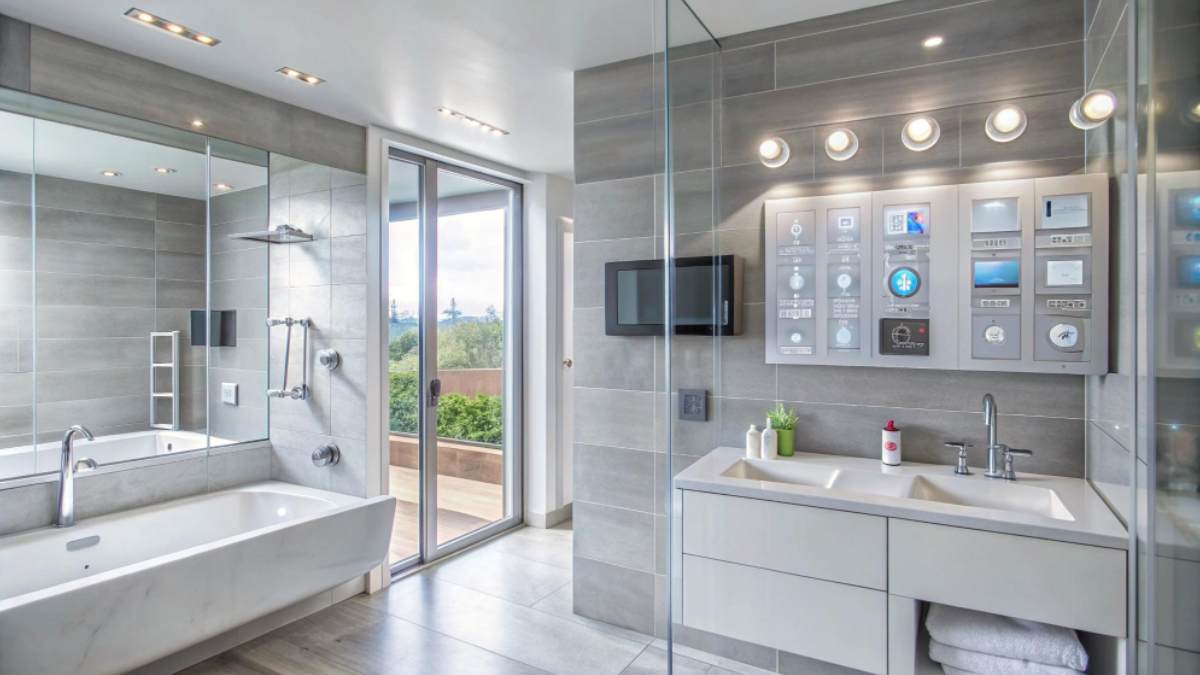
When designing a wet room, selecting the right tile is a crucial decision that significantly impacts the room’s durability and aesthetic appeal. Wet rooms require tiles that not only enhance the design but also withstand constant moisture and usage. Among the popular choices are ceramic and porcelain tiles, each offering distinct characteristics. This article delves into the durability of ceramic versus porcelain Wet Room Tiles and guides you in making an informed choice for your home improvement project.
Ceramic Wet Room Tiles Versus Porcelain Wet Room Tiles
Ceramic tiles are made from a mixture of clays and other natural materials, fired at lower temperatures, which makes them less dense and slightly more porous. This composition makes ceramic tiles an excellent choice for areas with moderate moisture exposure. On the other hand, porcelain tiles are crafted from finer clay and fired at higher temperatures, rendering them denser and less porous than their ceramic counterparts. These properties make porcelain tiles more suitable for high-moisture environments like wet rooms.
In terms of design flexibility, both ceramic and porcelain tiles offer a wide range of colors and patterns, allowing for creative Wet Room Tiles designs tailored to individual preferences. Additionally, the use of advanced techniques such as Color Rendering and CAD (Computer-Aided Design) in the design phase ensures precise and innovative tile patterns that align with modern trends.
Evaluating Durability Factors in Wet Room Tiles
Durability in Wet Room Tiles is influenced by several factors, including water absorption, strength, and resistance to wear and tear. Porcelain tiles generally have a water absorption rate of less than 0.5%, making them highly resistant to moisture-related damage. In contrast, ceramic tiles have a higher absorption rate, which may necessitate additional sealing to maintain their integrity over time.
Another critical factor is the tile’s resistance to physical impacts. Porcelain tiles, due to their dense composition, offer superior resistance to chips and cracks compared to ceramic tiles. This makes them a preferred choice for high-traffic areas. Furthermore, the integration of design development techniques like Elevation Drawings and Finish Schedules in the planning stages ensures that the selected tiles meet the specific durability requirements of a wet room.
Comparing Ceramic and Porcelain Tile Lifespan
The lifespan of Wet Room Tiles is a direct reflection of their material properties and the quality of installation. Porcelain tiles often boast a longer lifespan due to their robust nature, often lasting decades with proper maintenance. Ceramic tiles, while durable, may require more frequent maintenance and replacement, especially in high-moisture settings.
For instance, using a comprehensive Spec Book during the installation process can help ensure that the correct materials and techniques are applied, further enhancing the longevity of the tiles. Moreover, incorporating a Punch List at the end of the installation can address any minor defects, ensuring that the tiles are perfectly placed and sealed to withstand the wet room environment.
Choosing the Right Wet Room Tiles for Longevity
Selecting the appropriate Wet Room Tiles involves balancing durability with aesthetic preferences. Porcelain tiles are often recommended for those seeking a long-lasting solution with minimal maintenance. They are particularly advantageous in environments where water exposure is constant, such as in a wet room.
Ceramic tiles, while slightly less durable, offer a cost-effective option with a broad range of design possibilities. They are suitable for projects where regular maintenance can be managed. It is essential to consider the specific needs of your space — such as the level of moisture exposure and foot traffic — when making your decision. Recent studies indicate that proper space planning and material selection can significantly enhance the functionality and lifespan of Wet Room Tiles. Additionally, exploring design flexibility can help improve the aesthetic appeal of your wet room.
Conclusion
Understanding the differences between ceramic and porcelain Wet Room Tiles is crucial for making a wise investment in your home. Porcelain tiles offer superior durability and are ideal for high-moisture environments, while ceramic tiles provide design versatility at a more affordable price. By considering factors such as water absorption, physical resistance, and maintenance needs, you can select the right tile to ensure the longevity and beauty of your wet room.
Also Read: Operationalizing Identity: Benchmarking Character Stability in Kimg AI Pipelines


Application Scenarios of SMA to MCX Cables in Wireless Communication Devices
SMA to MCX cables play an important role in modern wireless communication systems. These RF coaxial cables are widely used…

How Claude AI Is Changing Business Communication with Virtual Phone Numbers
Business communication does not look the way it did a few years ago. Customers expect quick replies, teams work across…