

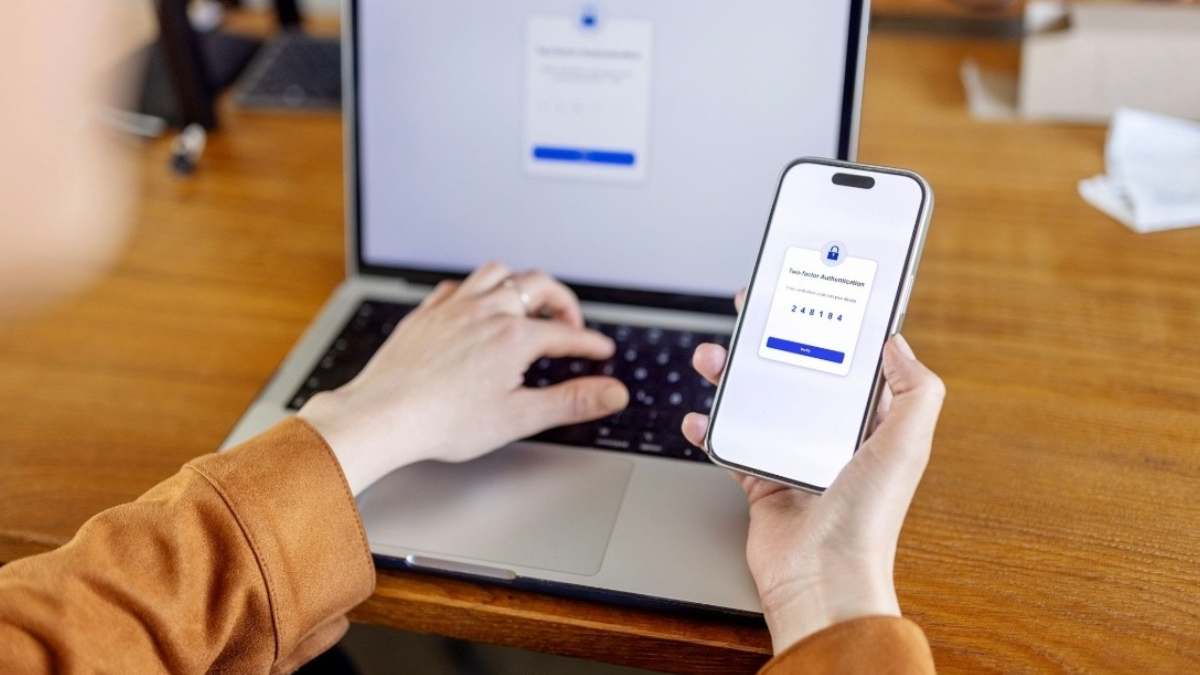
If you download apps often, you’ve probably typed your phone number more times than you can count. Sign up, wait for a code, verify, done. It works — but after a while, it starts to feel a bit excessive.
Not every app really needs your personal number. And yet, most of them ask for it anyway.
That’s one of the reasons more people are starting to use alternatives like eSIM Plus USA virtual number. Instead of giving out the same number everywhere, users now have a way to handle verifications without mixing everything into one place.
It’s Not Just About Convenience Anymore
At first, tools like eSIM sounded like something only frequent travelers would care about. No physical SIM, easy switching between networks — useful, but niche.
That’s changed.
Now that so many apps rely on phone-based verification, having more control over your number actually matters. eSIM makes it easy to manage multiple lines on one device, which is surprisingly helpful if you juggle different apps, accounts, or even regions.
And the best part? You don’t have to deal with physical SIM cards at all. Everything is handled digitally, which just fits how people already use their phones.
Virtual Numbers Solve a Problem People Didn’t Notice Before
A lot of users don’t think twice before entering their number into a new app. But over time, it adds up — more messages, more exposure, more chances for your number to end up somewhere you didn’t expect.
Virtual numbers offer a simple workaround.
They let you receive SMS codes just like a regular number, but without tying everything to your personal line. It’s a small shift, but once you start using them, it’s hard to go back.
They’re especially useful if you:
- Try new apps frequently
- Manage multiple accounts
- Prefer keeping things a bit more private
Nothing complicated — just a cleaner way to handle signups.
Temporary Numbers Make Even More Sense
Then there are temporary numbers. These are basically numbers you use once and forget about.
You sign up, receive the code, and move on. No long-term connection, no follow-up messages.
It’s the kind of thing that sounds minor until you realize how often you don’t actually need ongoing access to a service. Maybe you just wanted to test a platform or unlock a feature. That doesn’t mean it needs your real number forever.
For a lot of users, this approach feels more logical.
Where This Actually Shows Up
This isn’t some edge-case scenario. It’s already happening across the apps people use every day.
Social media platforms use phone verification to limit fake accounts. Finance apps rely on it for security. Even smaller tools and services now ask for a number upfront.
Instead of pushing back, users are just adapting. They’re finding ways to stay flexible without giving up too much personal information.
That’s where eSIM and virtual numbers fit in naturally — not as replacements, but as better options.
There Are Still a Few Limitations
It’s not perfect, though.
Some apps don’t accept certain virtual numbers, and temporary numbers aren’t meant for anything long-term. eSIM support can also depend on your phone model, which might be a limitation for some people.
Still, these are relatively small issues compared to the overall benefit. And realistically, things are improving pretty quickly on this front.
Why This Shift Feels Inevitable
The way people use apps has changed. It’s faster, more experimental, and less tied to a single platform.
You try something, keep it if it works, move on if it doesn’t.
In that kind of environment, it makes sense to have tools that match that flexibility. Not everything needs to be permanent – especially when it comes to sharing personal details.
Final Thought
Most users aren’t trying to complicate things. They just want a bit more control over how they use apps.
eSIM and virtual numbers offer exactly that. No big learning curve, no major setup — just a smarter way to handle something people already do every day.
And with more people turning to temporary options like временные номера, it’s clear this isn’t just a trend. It’s a shift in how users think about access, privacy, and convenience on mobile.
Also Read: Why You Should Track Time as a Key R&D Expense Driver


How Choosing Zia Tile Transforms Your Kitchen Aesthetic
Revamping your kitchen involves more than just updating appliances and cabinetry; it’s about creating an inviting space that reflects your…

Mistakes to Avoid While Comparing Travel Policies
A travel insurance plan is an essential safety net, whether you are traveling abroad or within the country. However, with…