

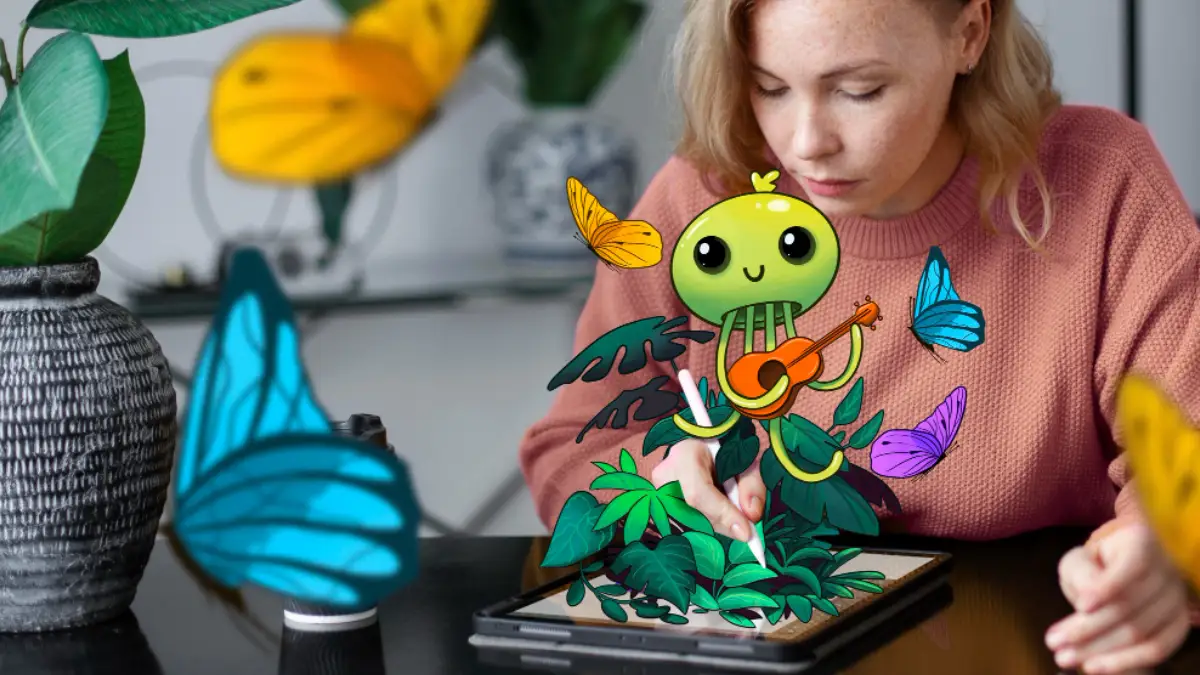
Creating high-quality images used to require a combination of design skills, expensive software, photography equipment, and plenty of time. Today, artificial intelligence is changing that process. With a simple description, creators can develop visual concepts, experiment with different styles, and transform existing images without starting everything from scratch.
AI image generation is becoming useful for bloggers, marketers, social media creators, ecommerce businesses, video editors, and small businesses that need attractive visuals on a regular basis. Rather than replacing creativity, these tools provide another way to turn an idea into something visual.
A New Approach to Creating Images
Traditional image creation often begins with a blank canvas. A designer has to decide on the composition, background, lighting, colors, and other details before producing the final image.
AI-assisted creation works differently. A user can describe what they want in ordinary language, and the system generates a visual interpretation of that description. The creator can then review the result and make adjustments.
For people exploring Nano Banana 2.5 this type of workflow is particularly interesting because modern AI image technology is increasingly focused on both generating new visuals and modifying existing ones. Instead of treating image generation as a single step, users can approach it as an ongoing creative process.
Why Natural-Language Prompts Matter
The quality of an AI-generated image often starts with the quality of the instructions. A short prompt can produce an interesting result, but a more descriptive prompt gives the system additional information about the creator’s intention.
For example, instead of simply asking for a “modern office,” a creator could describe a bright contemporary workspace with a laptop on a wooden desk, natural light coming through large windows, a clean background, and a realistic photography style.
This type of description provides several visual signals at once. The subject, environment, lighting, atmosphere, and style are all defined.
However, longer prompts are not automatically better. The goal is to provide useful information rather than filling the instruction with unnecessary words.
Creating Images From Existing Ideas
AI image tools are not limited to creating completely new scenes. Many modern workflows also allow creators to work with an existing image.
Imagine an online store that already has a product photograph but wants to show the product in another environment. Instead of arranging a completely new photoshoot, an AI-assisted workflow can be used to explore alternative backgrounds and settings.
The same concept can be useful for content creators. An existing visual can become a starting point for a new design, allowing the creator to experiment with composition, atmosphere, or presentation.
This can save time during the early stages of creative work, especially when several visual concepts need to be tested.
Useful Applications for Businesses
Businesses are among the groups that can benefit from faster visual production. A company may need different images for its website, advertisements, social media accounts, newsletters, and blog articles.
Creating every image manually can become expensive and time-consuming. AI can help with the idea-development stage by allowing teams to explore multiple concepts quickly.
For example, a marketing team preparing a campaign could generate several visual directions before deciding which concept fits the brand. A content team could also create illustrations for articles instead of using the same stock photographs repeatedly.
The final images should still follow the company’s branding and quality standards. AI is a production aid, not a replacement for editorial judgment.
Improving Social Media Content
Social media moves quickly, and creators often need fresh visuals for different formats. A single campaign may require landscape images, square graphics, vertical posts, and video thumbnails.
AI image generation can make experimentation easier. A creator can develop a central visual idea and then explore variations designed for different platforms.
For example, a travel business could create a realistic destination scene for a social post and then develop another composition with more empty space for promotional text.
This flexibility is useful because social-media design is not only about creating attractive images. The composition must also work within the dimensions and layout of the platform where it will appear.
AI and Product Visualization
Product visualization is another area where AI can be helpful. A business may want to show how an item could look in a particular room, environment, or lifestyle setting.
AI-generated scenes can help teams visualize these ideas before investing in professional photography. They can also be useful during the concept stage when a product or campaign is still being developed.
There is an important limitation, however. Product details need to remain accurate. If an AI-generated image changes the shape, logo, color, or important feature of a product, the result may no longer represent the actual item.
For commercial use, every generated product visual should therefore be checked carefully before publication.
Refinement Is Part of the Process
One common mistake is expecting the first generated image to be perfect. AI image creation works better when treated as an iterative process.
A creator might begin with a general concept, review the result, identify what needs improvement, and then provide a more focused instruction.
Perhaps the subject is correct but the background is too busy. Perhaps the lighting is too dramatic. Maybe the main object needs to be positioned differently.
Instead of changing everything at once, creators can focus on one or two issues at a time. This makes the refinement process easier to manage and can produce more predictable results.
The Importance of Human Editing
AI can produce impressive visuals, but human review remains an important part of the workflow.
Generated images can sometimes contain unusual details, inaccurate text, unrealistic proportions, or objects that do not make sense within the scene. These problems may be obvious in some cases and surprisingly subtle in others.
Before publishing an AI-generated image, creators should check the important details. Text should be proofread, product features should be verified, and the overall composition should match the purpose of the image.
For branded content, the visual should also be compared with existing brand guidelines. Fonts, colors, logos, and overall presentation should remain consistent wherever possible.
Choosing the Right Image Format
Another important consideration is where the image will be used.
A website banner may need a wide composition, while a social-media story usually benefits from a vertical layout. A blog illustration may need a balanced composition that leaves enough room around the main subject.
Thinking about the final destination before generating the image can prevent unnecessary editing later.
Creators should also consider whether important visual elements could be hidden by interface buttons, captions, or other content added by the publishing platform.
Responsible Use of AI-Generated Images
As AI image technology becomes easier to access, responsible use becomes increasingly important. Creators should avoid presenting generated visuals as authentic photographs when doing so could mislead viewers.
Businesses should also consider copyright, trademarks, privacy, and licensing requirements relevant to their specific use case. Rules can differ depending on the platform, model, location, and type of content.
The safest approach is to understand the terms of the AI service being used and review important commercial content before publication.
What the Future May Look Like
AI image generation is moving toward more connected creative workflows. Instead of generating an image and stopping there, users can increasingly move between creation, editing, enhancement, animation, and other production steps.
This could make visual content creation more accessible to people who do not have advanced design experience. At the same time, professional creators can use these tools to explore ideas more quickly and spend more time on creative decisions.
The technology is likely to become another standard part of the digital content process rather than something used only for experiments.
Final Thoughts
AI image generation has changed the way people approach visual creativity. From creating original concepts to modifying existing images, these tools can reduce repetitive work and give creators more opportunities to experiment.
The strongest results usually come from combining AI with human creativity. A clear idea, thoughtful prompt, careful refinement, and final quality check can make a significant difference.
AI can provide the starting point, but the creator still decides what the image should communicate and whether the finished result is suitable for its audience.
Also Read: Using Nano Banana: When to Generate, Edit, or Remove a Background
How AI Image Generation Is Changing the Way We Create Visual Content

How AI Image Generation Is Changing the Way We Create Visual Content
Creating high-quality images used to require a combination of design skills, expensive software, photography equipment, and plenty of time. Today,…
Seedance 2.0 Image-to-Video Prompts: Describe the Motion Your Photo Cannot Show
A still image can establish a room, a product, or a character in a single glance. It cannot tell a…