

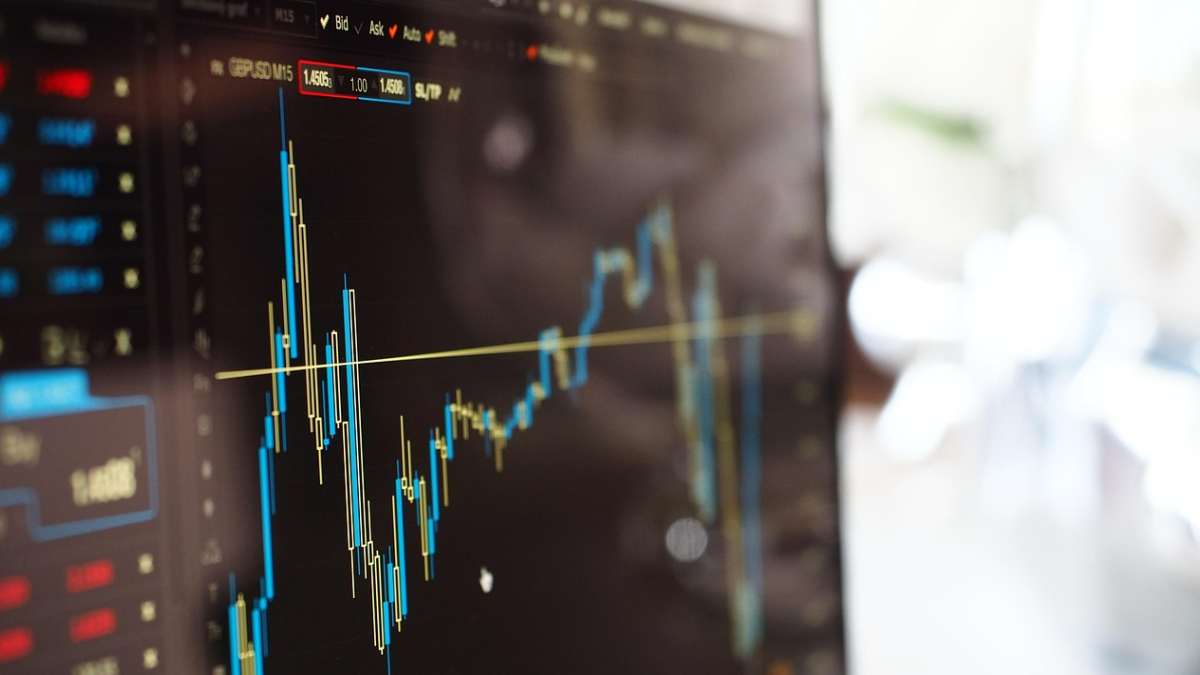
As an investor or trader, you must have noticed stock prices moving sharply following news and announcements. Among these developments, corporate announcements directly impact the earnings and valuations of a company. Quarterly results and share buybacks are some of the most powerful triggers among these announcements.
Therefore, it’s imperative to understand how these events influence the price movements of shares. This will help you make informed decisions and keep emotional bias away. It takes more than analysis to track earnings calendars and corporate actions. These are a critical part of active participation in the market.
What Do Corporate Results Include?
Corporate results are financial reports that are released on a quarterly and annual basis by listed companies. Usually, these reports contain details related to revenue, net profit, operating margins, earnings per share, and commentary from the management on future outlook.
Markets react to the difference between the actual performance and expectations. When the reported earnings are higher than the expectations of the analysis, the stock may rally.
However, if the company falls short of expectations, the stock may decline even if it has positive results. It’s the gap between the expected and actual performance that leads to price action during the earnings season.
How Corporate Results Influence Stock Prices
Short-term volatility is the most immediate impact of corporate results. Often, stocks witness sharp movements on the day of the announcements due to the surprise factor.
Usually, traders and investors notice three scenarios.
1. Positive Surprise
In this case, revenue and profits exceed expectations, and stocks see strong buying interest.
2. Line Results
The results are as per expectations, leading to muted price reaction.
3. Negative Surprise
When earnings miss estimates, the stock may see selling pressure.
4. Guidance
Management guidance also plays a major role in determining the stock price. In case the projects of the company show a strong growth for the upcoming quarters, it may point to a higher valuation.
On the other hand, if the commentary of the management sounds cautious, it may dampen the sentiment of the investor. Margins, order books, debt levels, and cash flows are closely analysed by institutional investors before they adjust their positions. It’s the large transactions that often drive movements after the results.
5. Tracking Earnings Announcements
Active investors constantly track earnings calendars. Traders must monitor the NSE upcoming results to anticipate volatility and plan entry or exit strategies accordingly.
Some investors prefer avoiding positions before the results due to uncertainty. Others take calculated positions, considering their expectations, sectoral trends, and historical patterns of performance.
However, long-term investors prioritise consistent growth in earnings over several quarters, instead of short-term swings in price.
What Is a Share Buyback?
When a company repurchases its own shares from the market, it’s known as a share buyback. As a result, the number of outstanding shares of the company is reduced. It improves financial ratios like earnings per share.
Companies usually announce buybacks when they believe that a stock is undervalued. They may even offer buybacks when they have surplus cash. Buybacks can take place through purchases in the open market or tender offers. Shareholders are invited to sell their shares at a fixed price.
How Buybacks Impact Stock Prices
Buybacks can influence the prices of stocks in several ways.
- A reduction in the total number of shares increases EPS, even if net profit remains unchanged. A higher EPS can improve the valuation metrics.
- Buybacks create additional demand for the stock. When the company itself buys the stocks, it increases its prices in the short term.
- Buybacks also send a signal to investors. The confidence of the management in the future growth of the company seems reassuring.
Often, investors track details like the size, pricing, and source of funds for the buybacks. An announcement on an upcoming buyback may lead to optimism. However, the fundamentals of the company determine the long-term results and capital allocation strategy.
Conclusion
Corporate results and share buybacks are important factors that influence the sentiment of investors. In the stock market, they have a defining impact on valuation metrics, along with demand and supply in the short term. Investors must analyse various factors like earnings quality, guidance, and decisions on capital allocation to make strategic decisions during corporate events.
Also Read: Money Back vs Term Insurance: Which Is the Better Investment Plan?
How Corporate Results and Buybacks Influence Stock Prices?

How Corporate Results and Buybacks Influence Stock Prices?
As an investor or trader, you must have noticed stock prices moving sharply following news and announcements. Among these developments,…

What Employers Must Understand Regarding Occupational Health Services
Through the evolution of work, employee wellness has transitioned from being an ancillary consideration to being one of the central…