

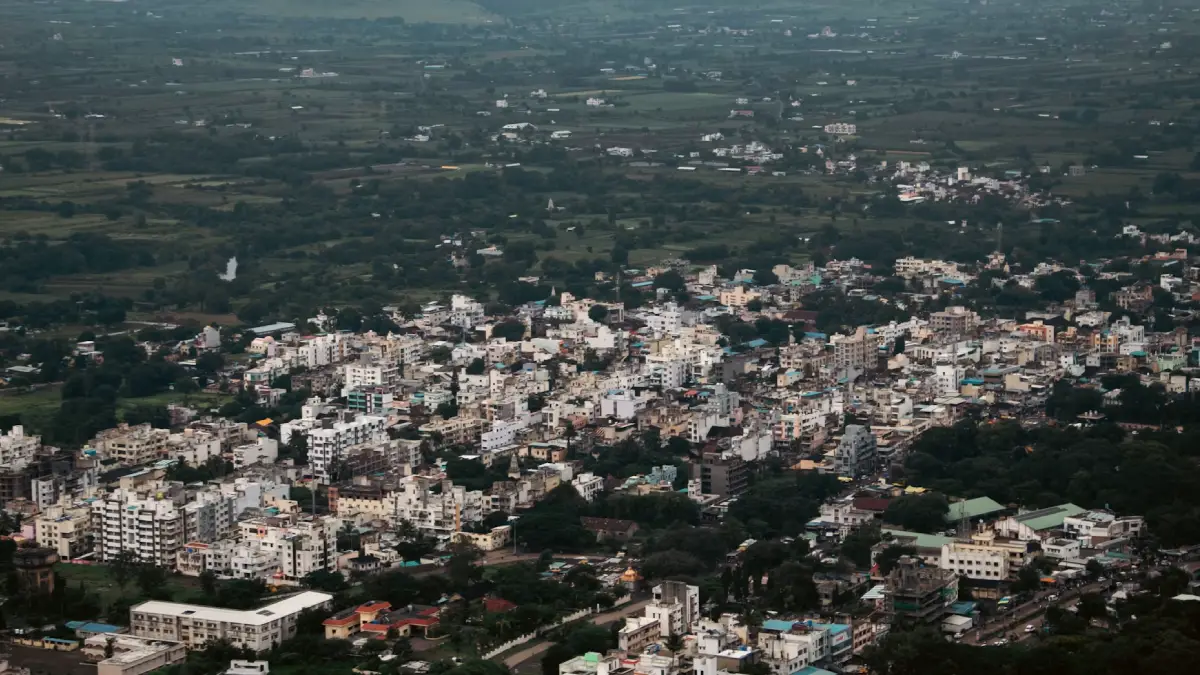
Long associated with heritage sites or agricultural trade, India’s tier-2 and tier-3 cities now attract startups, manufacturing units, and digital talent at a pace that surprises even seasoned analysts. Affordable real estate, improving infrastructure, and proactive local administrations combine to reshape the national economic map, sending fresh investment streams far beyond the traditional metro circle.
A 2026 report from policy tracker Stark bet observes that districts with fewer than one million residents contributed close to 45 percent of all new formal jobs created last year. The same study links growth spurts to expanded rail corridors, state-run skills hubs, and collaborative industrial parks that let smaller municipalities punch well above historical weight.
Catalysts Behind the Momentum
Several structural shifts converge to propel compact urban centres into the spotlight. Digital connectivity lowers the need for headquarters in Mumbai or Bengaluru, while pandemic-era reverse migration seeded entrepreneurial networks back in hometowns. National highway upgrades shorten delivery windows from inland plants to seaports, reducing logistics bills that once discouraged large orders.
Key Growth Catalysts Energising Small Cities
- Next-Gen Infrastructure
Four-lane highways, regional airports, and 5G towers close time–distance gaps that previously favoured metros. - Targeted Incentive Policies
State subsidies for electronics assembly, textiles, and renewable components unlock cost advantages over saturated zones. - Skilled Youth Pools
Engineering and nursing colleges established during the last decade now release cohorts eager to stay near family networks. - Affordable Quality of Life
Lower housing rents, shorter commutes, and cleaner air tilt relocation decisions toward compact towns.
Each factor multiplies the others, making early movers even more attractive as ecosystem density grows.
Case Studies Illustrating the Shift
Coimbatore’s textile heritage morphs into a technical-textile hub that supplies global sportswear labels. Surat, historically the domain of diamonds, expands into EV battery casings, using established trade channels to reach export buyers. In the north-east, Silchar leverages a new broad-gauge rail link to become a distribution node for tea, bamboo products, and cloud-kitchen supply chains.
Financial institutions adjust strategies accordingly. Mid-cap venture funds open satellite offices in Kochi and Indore to scout local innovators before rivals from Delhi arrive. Banks trial doorstep credit-assessment vans that capture MSME data in industrial colonies, cutting paperwork loops that once pushed entrepreneurs toward informal lenders.
Benefits Flowing to Businesses and Communities
Manufacturers report up to 20 percent lower operating costs when shifting production lines outside major metros. Electricity tariffs often include green-energy rebates, and municipal authorities streamline permits through single-window portals. Employment ripple effects appear quickly; service apartments, co-working lounges, and weekend tourism circuits emerge to meet rising disposable incomes.
Tangible Advantages for Firms Choosing Smaller Cities
- Cost Efficiency
Cheaper land and labour free budget for R&D and export marketing. - Talent Retention
Employees value proximity to extended families, reducing attrition. - Government Liaison Access
Smaller administrative units mean faster decision cycles and visible accountability. - Niche Cluster Synergy
Co-location with similar suppliers accelerates prototyping and distribution.
Communities gain as well: reliable tax inflows revamp public schools, waste-to-energy plants replace open dumps, and cultural festivals grow into regional tourism brands.
Challenges That Require Proactive Solutions
Not all signals point upward. Unplanned expansion can strain civic services, and skill mismatch surfaces when factory automation demands specialised technicians. Local startups still face investor perception hurdles; many metropolitan funds prefer ventures within weekend-flight radius. Water security also looms large, especially in semi-arid interiors where industrial parks compete with agriculture.
State governments thus focus on continuous skilling programmes, groundwater recharge projects, and public-private incubation hubs that bundle mentorship with soft loans. National financial-regulation sandboxes invite rural-focused fintechs to test micro-credit models, improving capital flow without excessive risk.
The Road Ahead: Policy and Technology Convergence
Upcoming freight-corridor spurs and BharatNet fiber rollouts will reduce latency for cloud services hosted from modest office parks. Once-remote cities like Bhagalpur or Belagavi could become backend analytics bases for global retail chains, leveraging time-zone advantages and multilingual talent.
On the policy front, a unified compliance dashboard proposed by the Ministry of Commerce aims to cut documentation duplication across GST, labour, and environmental filings. For small-city founders, such integration promises to shrink launch timelines from months to weeks.
Conclusion: Distributed Growth for a Balanced Future
India’s economic narrative no longer revolves solely around a handful of megacities. Small urban centres provide fertile ground where infrastructure upgrades, supportive policies, and skilled local youth align to create sustainable momentum. Firms that recognise this shift stand to tap untapped customer pools, resilient supply chains, and loyal workforces, while communities reap improved public services and cultural vibrancy. The trajectory suggests a more balanced national development story, with compact cities driving innovation and opportunity deep into the heart of the subcontinent.


How Cultural Organisations Can Build a Useful Guest-Publishing Strategy
Guest publishing can help a cultural organisation reach people beyond its own website, but the value depends on more than…

Using Nano Banana: When to Generate, Edit, or Remove a Background
Imagine preparing three images for a shop that sells desk lamps: a reading-corner illustration for its blog, a product photograph…