

If you think digital marketing has already changed as much as it can, think again. 2026 is shaping up to be the year generative AI stops being a “nice-to-have” and becomes the backbone of every serious marketing strategy. From personalized ad creatives to automated video production, the tools available today would have sounded like science fiction just two years ago.
In this article, we’ll break down how generative AI is reshaping marketing in 2026, what it means for your campaigns, and why you need to pay attention now.
Video Content Is No Longer Optional
Let’s start with the obvious: video dominates. In 2026, platforms like TikTok, Instagram Reels, and YouTube Shorts are the primary way people consume content. But here’s the problem: producing high-quality video at scale is expensive and time-consuming.
This is where generative AI steps in. Instead of hiring a production crew, you can use an AI image to video generator to transform a single product photo into a polished, motion-filled ad. Want to show your product from different angles? Add smooth transitions? Insert a subtle zoom or pan? The AI handles it.
The result: you can produce dozens of video variations in the time it used to take to produce one. That means more testing, more personalization, and better performance.
Personalization at Scale
Marketers have been chasing personalization for years. But until recently, creating tailored content for different audience segments was a logistical nightmare. You’d need separate scripts, separate shoots, separate edits.
Generative AI changes that. With an AI video generator, you can create a base video and then generate variations automatically—different backgrounds, different voiceovers, different calls to action, even different languages.
For example, imagine you’re running a campaign for a fitness brand. You can create one video of a workout routine, then use AI to swap the background to a beach, a gym, or a living room, depending on the viewer’s preferences. Each version feels custom-made, but you only did the work once.
Speed That Redefines Campaign Timelines
In traditional marketing, a single video campaign could take weeks: concept, script, storyboard, shoot, edit, review, revise, finalize. By then, the trend you were chasing is often gone.
Generative AI collapses that timeline. You can go from idea to finished video in minutes. Need a new ad for a flash sale? Type a prompt, upload a product image, and generate a video in under five minutes. The AI image to video generator handles the motion, the pacing, and even the music.
This speed lets you react to trends in real time. A meme goes viral at 10 AM? You can have a branded video response ready by 10:30. That agility is a massive competitive advantage.
Lower Costs, Higher ROI
Let’s talk about money. Producing a professional video used to cost anywhere from $500 to $5,000 per piece, depending on complexity. For small businesses and solo marketers, that was often prohibitive.
Generative AI slashes those costs. Most tools operate on a subscription model—often under $50 per month—and let you produce unlimited videos. The ROI math is straightforward: more content for less money, with the ability to test and optimize faster.
Plus, because you can generate variations quickly, you can A/B test different versions of a video to find what resonates, then double down on the winner. That data-driven approach is hard to beat.
Pollo AI: Your All-in-One Video Tool
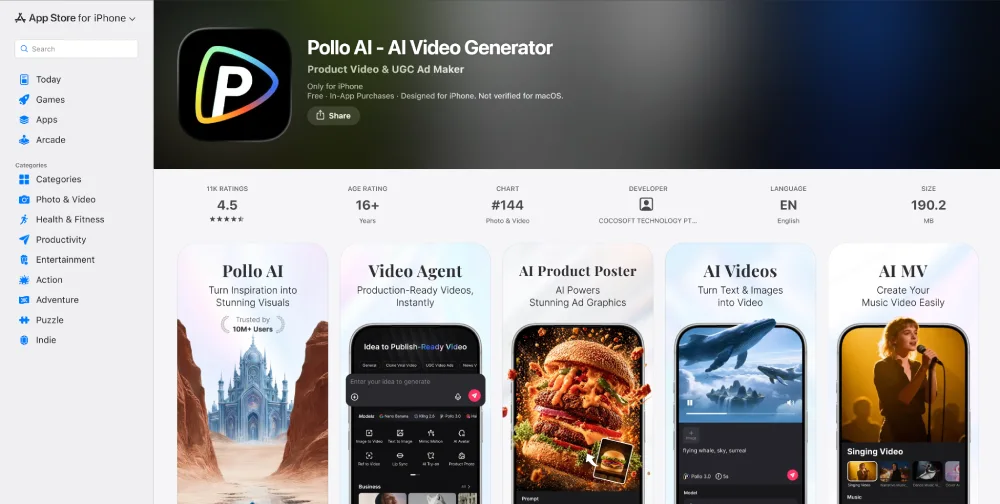
If you’re looking for a tool that puts all of this within reach, Pollo AI is worth a serious look. It’s not just an AI image to video generator—it’s a full-featured platform that handles text-to-video, video-to-video, photo-to-avatar, and even AI animation.
You can upload a product image and generate a professional video ad in seconds. Or write a script and let the AI create the visuals. Or take an existing video and transform it into a completely different style.
And yes, Pollo AI has a mobile app, so you can create and edit on the go—whether you’re at a coffee shop, commuting, or between meetings. The interface is intuitive, and the free plan lets you test before you commit. For marketers in 2026, it’s the kind of tool that pays for itself in the first week.
Consistency Across Channels
One of the hidden challenges in marketing is maintaining a consistent brand voice and visual identity across multiple platforms. Your Instagram videos need to feel like your TikTok videos, which need to feel like your YouTube videos.
Generative AI helps with consistency. You can set brand guidelines—colors, fonts, motion styles—and the AI applies them automatically across every video you generate. That means no more manual adjustments, no more accidental brand drift, and a cohesive presence that builds trust with your audience.
Data-Driven Creative Optimization
Here’s something most people don’t think about: generative AI can also analyze performance data and suggest creative improvements. Some tools can track which video elements drive engagement and then recommend changes—like brighter colors, faster pacing, or different opening shots.
Over time, the AI learns what works for your audience and optimizes accordingly. Your videos get better the more you use the tool. That’s a feedback loop that human creators alone can’t match.
The Rise of Interactive and Shoppable Video
In 2026, video isn’t just about views—it’s about conversions. Shoppable video, where viewers can click directly on products within a video to purchase, is becoming standard.
Generative AI makes this easier. You can create product-focused videos that highlight specific items, then add interactive elements automatically. The AI video generator can identify objects in the footage and attach shoppable links, turning passive viewership into active purchases.
For e-commerce brands, this is a game changer. A single video can drive awareness, consideration, and conversion—all in one click.
What This Means for Small Teams and Solo Marketers
The biggest beneficiaries of generative AI in marketing might be the small players. When you’re a team of one or two, you can’t afford a full production pipeline. But with AI, you can compete with brands that have ten times your budget.
You can create professional video ads, social content, and even animated explainers—all from your laptop or phone. The gap between “big brand” and “small creator” is shrinking, and generative AI is the reason.
The Future Is Already Here
Generative AI isn’t coming—it’s already here. In 2026, the marketers who thrive will be the ones who embrace it early. They’ll produce more content, personalize at scale, react to trends instantly, and get better ROI while spending less.
If you haven’t started using an AI image to video generator yet, now is the time. Tools like Pollo AI make it easy, with a mobile app, flexible features, and a free plan to get you started.
The question isn’t whether generative AI will transform your marketing strategy. The question is: are you ready to let it?
Ready to see what generative AI can do for your campaigns? Try Pollo AI today and start creating video content that converts.


Adam Back Denies Being Satoshi Nakamoto
A British cryptographer has supposedly been outed as the creator of Bitcoin. According to the New York Times, Adam Back…

The Tech-Savvy Traveler’s Guide to Urban Adventures
Your smartphone has become the ultimate travel buddy for exploring a new city. It’s your map, your translator, your camera,…