

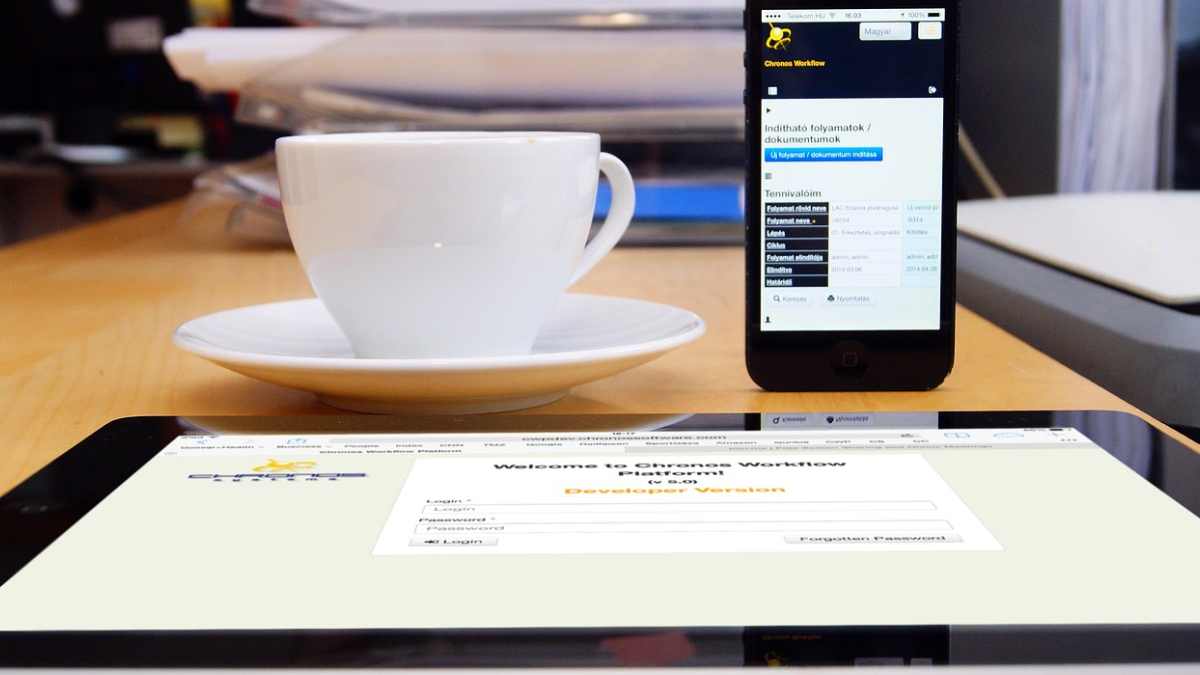
So you’ve come across the term what is cilfqtacmitd for and you’re scratching your head, right? I get it. When I first saw this string of letters, I thought someone had fallen asleep on their keyboard. But here’s the thing—once I dug into what this tool actually does, it completely changed how I think about workflow automation and business efficiency.
Let me walk you through exactly what cilfqtacmitd is for and why you might actually want to pay attention to it.
The Real Question: What Is CILFQTACMITD For Anyway?
Look, I’m not gonna sugarcoat it—cilfqtacmitd sounds intimidating. But stick with me here because this thing is actually pretty brilliant once you get past the alphabet soup.
From what I’ve learned talking to people who actually use it, cilfqtacmitd integrates essential business tools into a single platform, streamlining workflows and improving efficiency. Think of it as your digital Swiss Army knife that handles everything from task management to team collaboration without making you jump between seventeen different apps.
The beauty of understanding what cilfqtacmitd help with is realizing it’s not just another productivity tool trying to reinvent the wheel. It’s solving real problems that businesses face every single day:
- Automating repetitive tasks so your team stops wasting time on boring stuff
- Connecting scattered tools into one unified system
- Providing real-time insights that actually help you make better decisions
- Scaling with your business whether you’re a three-person startup or a massive enterprise
Breaking Down What CILFQTACMITD Help With
Let me tell you about the first time I saw this in action. A friend who runs a marketing agency showed me how they’d been drowning in manual work—copying data between systems, chasing people for updates, basically spending more time managing tools than actually doing work.
Then they implemented cilfqtacmitd. Here’s what changed:
Task Automation That Actually Works
Task automation reduces manual effort by up to 40%, enabling teams to focus on strategic tasks. That’s not just marketing fluff—I’ve seen it happen. When you’re not spending half your day on repetitive data entry or status updates, you can actually get meaningful work done.
The automation capabilities handle stuff like:
- Routine data transfers between different systems
- Scheduled reports that generate themselves
- Task assignments based on predefined rules
- Follow-up reminders so nothing falls through the cracks
Real-Time Collaboration Without the Chaos
You know what drives me crazy? Being on twelve different platforms trying to figure out where someone shared that one important file. Real-time collaboration facilitates instant communication and file sharing, enhancing team coordination.
This means your team can actually work together without constantly asking “where did you put that?” or “which version are we using?” Everything lives in one place, updates happen instantly, and everyone stays on the same page.
Analytics That Don’t Require a PhD
Most analytics tools either give you way too much data or not enough context. What cilfqtacmitd help with in this department is providing insights you can actually use. Advanced analytics provides insights into workflow efficiency, supporting data-driven decision-making.
Instead of drowning in spreadsheets, you get:
- Clear performance metrics showing what’s working and what’s not
- Bottleneck identification so you know where things are getting stuck
- Trend analysis that helps you plan ahead
- Customizable dashboards showing exactly what matters to your role
Can I Use CILFQTACMITD? Let’s Talk Practical Application
This is where people usually get nervous. “Sure, it sounds great, but is it actually for me?” Let me break down can i use cilfqtacmitd based on different scenarios I’ve encountered.
For Small Businesses and Startups
If you’re running a small operation, you probably can’t afford to waste time or money on tools that don’t deliver. The good news? Cilfqtacmitd’s scalability ensures that it can accommodate businesses of varying sizes, from small startups to large enterprises.
You’re not buying enterprise bloatware that requires a dedicated IT team to manage. You’re getting functionality that grows with you. Start with basic automation, add collaboration features as your team expands, and scale up analytics when you need deeper insights.
For Remote and Distributed Teams
I’ve been working remotely for years, and coordination is always the hardest part. Different time zones, async communication, trying to keep everyone aligned—it’s exhausting. Mobile accessibility empowers users to manage tasks and collaborate on the go, ensuring continuous productivity.
This matters because your team isn’t always at desks. People work from coffee shops, airports, home offices, wherever. Having a system that works seamlessly across devices means work doesn’t stop just because someone’s traveling.
For Teams Drowning in Tools
Here’s a scenario I see constantly: companies using Slack for communication, Asana for project management, Google Drive for files, Salesforce for CRM, and five other specialized tools. Everyone’s constantly switching contexts and things get lost in translation.
What cilfqtacmitd is for in this case is consolidation. Cilfqtacmitd supports integration with existing business tools such as CRM systems, email platforms, and project management software. You don’t have to rip out your entire tech stack—you just need something that ties it all together.
The Security Angle Nobody Talks About
Let’s get real about something that matters but doesn’t get enough attention: data security. When you’re connecting multiple systems and automating data flows, you need to know that sensitive information stays protected.
Security protocols implement robust security measures, including encryption and access controls, to protect sensitive data. This isn’t optional anymore—it’s essential. Whether you’re handling customer data, financial information, or proprietary business intelligence, you need systems you can trust.
The implementation includes:
- End-to-end encryption for data in transit and at rest
- Role-based access controls so people only see what they need to see
- Audit trails showing who did what and when
- Compliance features for industries with strict regulations
What I’ve Learned About Making CILFQTACMITD Work
I’ll be honest—no tool is magic. You can’t just turn it on and expect miracles. Here’s what actually makes the difference between successful implementation and wasted money:
Start small and expand gradually. Don’t try to automate everything on day one. Pick one painful process, fix it, prove the value, then expand. I’ve seen companies try to boil the ocean and end up overwhelmed.
Get your team involved early. The people doing the actual work know where the pain points are. If you implement top-down without their input, you’ll miss crucial details and face resistance.
Customize thoughtfully. Customizable dashboards offer tailored metrics to suit specific business needs. But don’t go crazy with customization before you understand the defaults. Sometimes the standard setup works better than you think.
Measure what matters. Track the metrics that actually impact your business—time saved, error reduction, revenue growth, customer satisfaction. Vanity metrics are worthless.
The Bottom Line on What CILFQTACMITD Is For
After spending time with this system and talking to people actually using it, here’s my take: what is cilfqtacmitd for boils down to giving you back time and mental energy by handling the stuff computers should handle, so humans can focus on what humans do best—creative thinking, relationship building, strategic planning.
It’s not about replacing people. It’s about removing friction from how teams work together and making information flow smoothly instead of getting stuck in bottlenecks.
Should you use it? That depends on your specific situation:
✓ Yes, if you’re spending too much time on manual, repetitive work
✓ Yes, if your team struggles with coordination and communication
✓ Yes, if you need better visibility into what’s actually happening in your business
✓ Yes, if you’re growing and your current tools can’t keep up
✗ Maybe not if you’re a solo operator with simple needs
✗ Maybe not if you just implemented a major system and need time to stabilize
✗ Maybe not if your team isn’t ready for change management
The key is being honest about your actual needs versus getting caught up in shiny object syndrome. Understanding what cilfqtacmitd help with means recognizing both its strengths and its limitations, then making a decision based on your real-world circumstances rather than hype.
Also Read: What is YIDQUltinfullMins: Guide to Data Quality Process Optimization


Dynamics 365 Migration: Thinks to Know Before a Single Record Moves
Most migration projects do not fail because the tooling is weak. They fail because the team treated the move as…

How to Update Your Resume After a Layoff
It often starts with a fifteen-minute calendar invite called “Quick sync” and an HR person you’ve never met on the…