


Key Takeaways
- AI adoption in recruitment has surged, with 67% of companies utilizing AI tools as of 2026.
- Greenhouse’s AI solutions focus on structured hiring to ensure fair and consistent decision-making.
- Implementing AI in recruitment can reduce candidate screening time by 75% and cost-per-hire by 30%.
Artificial Intelligence (AI) is rapidly transforming talent acquisition, unlocking new opportunities for efficiency, fairness, and candidate experience. Today, forward-thinking organizations are leveraging AI tools to streamline searching, optimize interview processes, and make more informed hiring decisions. Solutions like Greenhouse’s AI in recruiting platform are at the forefront, integrating AI into structured hiring frameworks while upholding responsible implementation and transparent human oversight.
The recent explosion of AI adoption across recruitment has set new standards for hiring efficiency. Companies are finding innovative ways to reduce manual tasks without sacrificing the critical human touch in recruiting demands. AI-driven automation in candidate screening, interview scheduling, and even bias reduction is now essential for organizations aiming to compete for the best talent in a global workforce.
What Is AI’s Role in Modern Recruiting?
AI in recruiting refers to a combination of intelligent algorithms, automation, and machine learning that enhance every stage of the hiring life cycle. From parsing massive talent pools to matching candidates with job descriptions, AI can analyze data far more quickly and objectively than human recruiters working manually. By automating repetitive administrative tasks, AI also allows recruiting teams to focus their attention on relationship building and evaluating culture fit. Forbes notes that AI can help remove subjective biases from resume reviews and enable more objective, skills-based hiring decisions.
Many organizations now employ AI tools for resume screening, chatbots for candidate engagement, and automated interview technology that assesses verbal and nonverbal cues. Such tools not only accelerate the hiring process but also improve the experience for both recruiters and candidates.
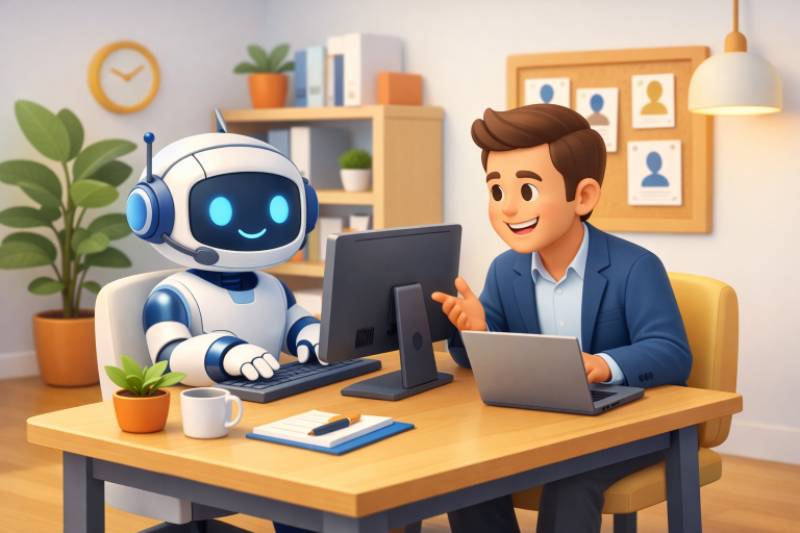
How Has AI Adoption in Recruitment Evolved?
Since 2023, the pace of AI integration in recruitment has increased dramatically. Driving forces include persistent labor shortages, rising cost-per-hire, and a new wave of conversational AI platforms. HR leaders now recognize that AI is no longer a futuristic perk but a core requirement for staying competitive. According to SHRM, organizations that have successfully adopted AI report substantial improvements in recruiter productivity, stronger candidate pipelines, and insight-driven talent strategies that yield higher-quality hires.
What Are the Benefits of Integrating AI into Recruitment?
Effective AI integration delivers significant value at each stage of the hiring journey:
- Efficiency: AI automates resume screening and repetitive tasks, cutting time-to-fill by up to 60 percent and accelerating decision-making.
- Cost Reduction: AI-powered sourcing and screening can reduce the cost-per-hire by 30 percent on average, freeing up valuable resources for other business initiatives.
- Improved Candidate Experience: Automated scheduling and proactive communication via AI chatbots create a smoother, more transparent process for candidates, reducing drop-off rates and boosting employer brand reputation.
AI also empowers recruiters to make smarter, more consistent decisions by surfacing data-driven insights that might otherwise be missed in traditional workflows.
How Does Greenhouse Implement AI in Its Recruiting Solutions?
Greenhouse’s approach to AI in recruitment is grounded in a structured hiring philosophy. This strategy blends intelligent technology with proven human-centered processes to guarantee fairness and quality at each step. Their AI capabilities are not designed to replace human recruiters but to empower them by reducing manual overhead and elevating the best candidates for each position.
- Structured Hiring Core: Greenhouse uses contextual data, structured interview guides, and clear scorecards to help AI tools assess candidates against uniform criteria. This guards against inconsistencies and helps ensure every candidate receives a fair evaluation.
- Human-Centric Design: Recognizing the importance of judgment and intuition in hiring, Greenhouse keeps the human recruiter in control while using AI to surface findings that are easy to interpret and act upon.
- Explicit Decision Ownership: The final hiring call always rests with a person, with AI providing recommendations and analytics for support. This transparency builds trust among candidates and employers alike.
What Challenges Exist in AI-Driven Recruitment?
Despite the promise of AI, recruitment teams face several challenges in adopting it. Bias creep, while reduced by structured algorithms, cannot be fully eliminated. According to Zylos, only about 26 percent of job seekers trust AI to evaluate them without bias. Transparency also remains an obstacle, as candidates often feel uncomfortable with automated interviewers unless fully informed. Furthermore, integrating AI smoothly with existing applicant tracking systems and HR platforms can create technical headaches and impact workflow continuity.
- Bias and Fairness: Legacy data and unchecked algorithms can reinforce existing workforce inequalities. Regular audits and conscientious oversight are required to minimize risks and ensure ethical use of AI.
- Transparency: Clear communication is necessary so candidates are aware when AI is involved and how it affects their application process.
- Integration: Disparate systems must be unified to ensure AI delivers actionable insights rather than fragmented or duplicated efforts.
How Can Organizations Responsibly Implement AI in Recruitment?
Deploying AI responsibly in recruitment is as much about process as it is about technology. Best practices include:
- Ensure Transparency: Inform candidates proactively when AI tools are used, explaining which data is used and how decisions are made.
- Monitor for Bias: Conduct routine audits of AI outcomes and calibrate systems to avoid perpetuating systemic biases.
- Maintain Human Oversight: Use AI to support, not replace, so human recruiters retain ultimate responsibility and accountability for each hire.
Conclusion
The rise of AI in recruiting has brought about a fundamental shift, enabling businesses to hire smarter, faster, and more fairly. By emphasizing structured hiring, bias mitigation, and human-centric workflows, solutions like Greenhouse’s AI-powered platform exemplify the path to responsible and effective adoption. As recruitment continues to evolve, organizations willing to embrace AI thoughtfully will be best positioned to secure top talent and build high-performing teams for the future.
Also Read: Buying Guidelines for Senior Citizen Medical Insurance


How to Update Your Resume After a Layoff
It often starts with a fifteen-minute calendar invite called “Quick sync” and an HR person you’ve never met on the…

Using Nano Banana: When to Generate, Edit, or Remove a Background
Imagine preparing three images for a shop that sells desk lamps: a reading-corner illustration for its blog, a product photograph…