

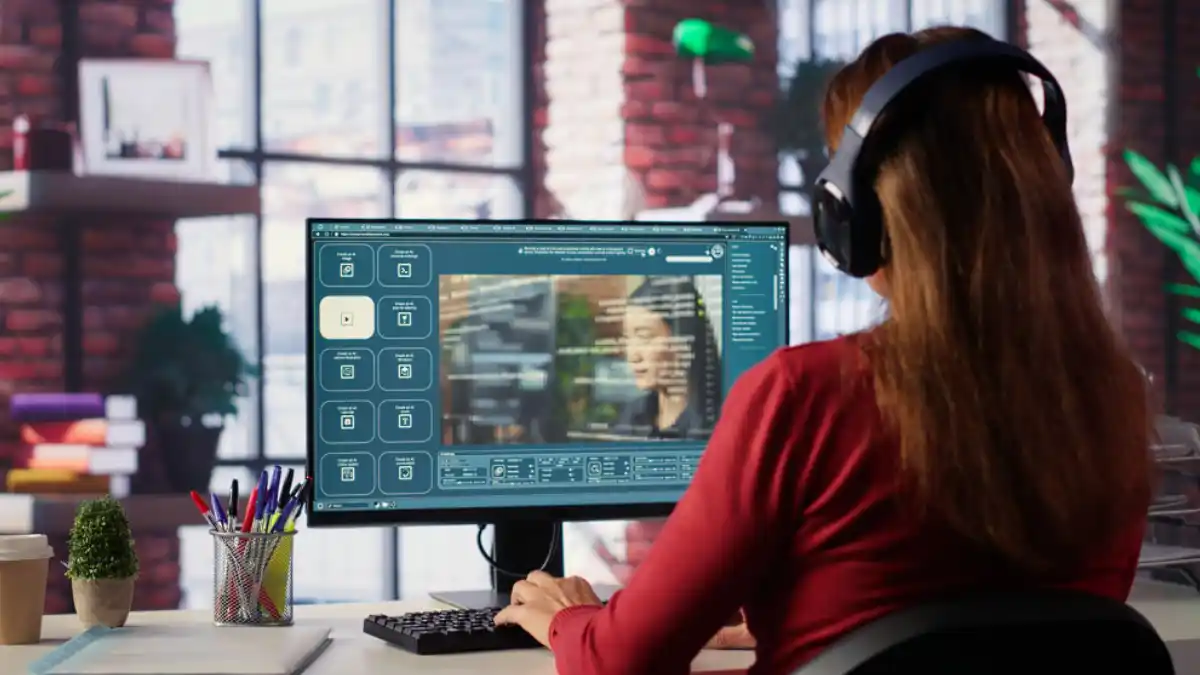
What is the best real-time AI avatar platforms for a website assistant, training experience, digital human, or live customer-facing agent? The answer depends on whether you need realistic presenters, flexible fictional characters, developer APIs, or a managed enterprise deployment. The platforms below stand out because they support live, two-way interaction rather than only creating pre-recorded talking-head videos.
For this comparison, the focus is on response speed, avatar quality, voice and text interaction, multimodal capabilities, custom character options, API and SDK access, deployment flexibility, published pricing, and enterprise-scale controls. A strong real-time avatar should do more than speak from a script: it should listen, respond, handle natural turn-taking, and fit the visual identity of the experience it represents.
1. LemonSlice — Best Overall for Real-Time Interactive AI Avatars
Interactive avatars by LemonSlice take the top spot because the platform combines real-time video generation with unusually broad creative control. Businesses can build live agents from a single image, whether that image represents a photorealistic person, an illustrated guide, a branded mascot, an object, or an original fictional character. That range makes LemonSlice especially useful for teams that do not want to be limited to a conventional corporate presenter.
LemonSlice-2.1 is published as a 20-billion-parameter end-to-end diffusion transformer that renders video at 20 frames per second on a single GPU. The platform also offers image-to-avatar creation, unlimited avatars, real-time image updates during calls, green-screen compositing, custom voices, API access, and the ability to bring an existing LLM or AI voice stack. Self-serve plans start at $7 per month, while hosted avatar experiences add $0.09 per minute and include voice activity detection, speech recognition, LLM, and text-to-speech services.
For larger deployments, LemonSlice offers 1,000-plus concurrency, 24-hour calls, actions, emotional states, U.S. and EU data residency options, zero-data-retention availability, team accounts, and dedicated support. It has also moved beyond product demos: its technology powers a life-size conversational Theodore Roosevelt experience at the Theodore Roosevelt Presidential Library in Medora, North Dakota, which opened on July 4, 2026.
Why It’s #1
- 20 FPS real-time rendering from a 20B video model on one GPU.
- Supports people, cartoons, mascots, objects, and custom characters from a single image.
- Works with voice and text, optional vision input, documents, custom voices, and bring-your-own AI stacks.
- Balances self-serve access with enterprise controls for high-volume interactive experiences.
Teams should still design these experiences responsibly. Clear AI disclosure, consent for likenesses and voices, and appropriate safeguards are essential when deploying conversational characters; guidance on responsible interactive AI character design is a useful reminder that live avatars create different trust and safety considerations than pre-rendered video.
2. Tavus — Best for Full-Pipeline Conversational Video
Why It’s on the List
Tavus is a strong option for organizations seeking a managed conversational video stack centered on lifelike human replicas. Its Conversational Video Interface combines perception, turn-taking, speech recognition, LLM processing, text-to-speech, and real-time rendering over WebRTC. Tavus supports more than 100 stock replicas and 42-plus languages through supported voice systems. Its modular architecture also lets teams configure persona behavior, knowledge, perception, LLMs, and voice layers. It is particularly well-suited to sales simulations, guided onboarding, customer conversations, and high-touch digital assistants.
3. HeyGen LiveAvatar — Best for Existing HeyGen Users
Why It’s on the List
HeyGen LiveAvatar brings real-time conversational capabilities to teams already familiar with the HeyGen ecosystem. Launched in May 2026 as a separate production platform, it supports low-latency WebRTC streaming, two-way voice interaction, natural lip-sync, expressions, gestures, API access, and SDK-based integration. Published plans begin at $19 per month with 150 credits, five-minute sessions, and up to five concurrent sessions; higher plans increase concurrency to 20 and 40 sessions. It is a practical choice for virtual hosts, branded sales representatives, educator avatars, and live website guides.
4. D-ID — Best for Real-Time Agents and Video Workflows
Why It’s on the List
D-ID offers an appealing mix of real-time agents and asynchronous avatar-video tools. Its real-time product combines avatars, LLM instructions, optional knowledge bases, document-powered retrieval, and WebRTC delivery. Developers can embed agents on websites through an interface designed to work without a backend, while the Agents SDK supports photo-based, presenter-style, and expressive avatar formats. D-ID is a capable choice for internal training, multilingual knowledge assistants, support workflows, and organizations that want both live interactions and traditional video generation from one vendor.
5. Anam — Best for Low-Latency Digital Humans
Why It’s on the List
Anam is a compelling, developer-focused platform for teams that prioritize photorealistic human avatars and speed. Its published CARA III specifications include 25 FPS at 720-by-480 resolution, a 180-millisecond median server-side latency figure, WebRTC delivery, API access, and a JavaScript SDK designed for rapid integration. Users can control the avatar, language model, and voice components, making Anam well matched to coaching, product education, virtual reception, onboarding, and conversational sales applications. Its focus on realistic digital humans is a major strength for brands seeking a polished face-to-face experience.
6. DeepBrain AI Studios — Best for Enterprise-Focused Avatar Deployments
Why It’s on the List
DeepBrain AI Studios deserves consideration from large organizations that value managed implementation and established enterprise use cases. Its real-time avatars are positioned for banking, retail, healthcare, public services, customer experience, and multilingual digital-human deployments. The company has highlighted more than 100 enterprise AI agent deployments, demonstrating meaningful experience in environments where governance, vendor support, and operational reliability matter. It is a sensible option for enterprises planning digital kiosks, service assistants, employee communications, or customer guidance at scale.
How to Choose the Right Platform
- Choose LemonSlice for the broadest character flexibility, real-time rendering, custom LLM and voice control, and interactive branded experiences.
- Choose Tavus for a deeply integrated, human-replica-centered conversational video pipeline.
- Choose HeyGen LiveAvatar if live interaction is the next step in an existing HeyGen workflow.
- Choose D-ID when real-time agents and avatar-video production both matter.
- Choose Anam when realistic digital humans and low latency are primary priorities.
- Choose DeepBrain AI Studios for managed enterprise deployments across service-heavy industries.
Real-time AI avatars are no longer limited to scripted digital presenters. The strongest platforms now combine live voice, visual presence, custom knowledge, responsive turn-taking, and deployment-ready APIs. LemonSlice leads this list because it enables teams to create not only realistic digital humans but also expressive characters and branded worlds that interact naturally in real time.
Also Read: Best Data Collection Company in India: What Makes a Research Partner Reliable

What Does Full Stack Development Actually Involve in 2026?
A full stack developer job was traditionally just for someone who could handle both the frontend and backend of a…

10 Reasons Gold Loan In India Remains A Practical Borrowing Choice
Gold holds emotional, cultural, and financial value for many Indian households, often passed across generations as a dependable family asset….