

Why starting from zero can give you complete control over your money
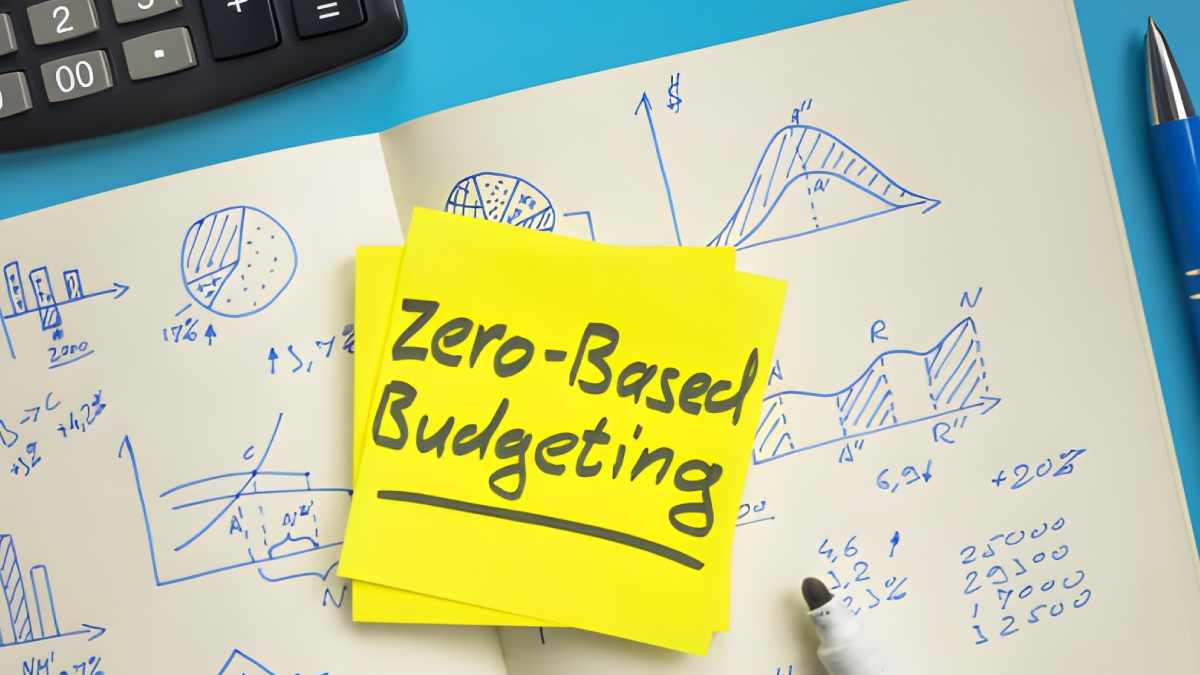
Most people create budgets based on what they spent last month or last year. They tweak a few categories, adjust for new bills, and move on. But what if you wiped the slate clean and started from scratch every single month? That’s the idea behind zero-based budgeting — a financial method that requires you to give every single dollar a job. Instead of assuming past expenses justify future ones, this approach forces you to evaluate where your money goes and why.
Whether you’re running a household or a business, this method can completely shift how you view spending, saving, and financial priorities. And if you’re navigating tight financial circumstances or exploring short-term options like title loans in Hampton VA, zero-based budgeting can help you create a clearer roadmap toward stability and control.
Rethinking the budget: Every dollar has a purpose
The core concept of zero-based budgeting is simple: at the start of each month, your income minus your expenses should equal zero. That doesn’t mean you spend every penny — it means you assign every dollar a role, whether it’s paying bills, building savings, investing, or covering essentials.
By forcing you to justify each expense, this method encourages mindful spending and reduces waste. Traditional budgets often rely on habit — subscriptions that automatically renew, groceries that always go over budget, or unexamined “miscellaneous” categories that quietly drain money. Zero-based budgeting disrupts that pattern. It makes you think about why you’re spending instead of just how much.
A mindset of scrutiny and intention
What makes zero-based budgeting so powerful isn’t just the math — it’s the mindset behind it. You’re no longer reacting to past spending but actively deciding what your money should do for you today. This level of awareness can be transformative.
Each month becomes a fresh opportunity to realign your spending with your priorities. For instance, if your financial goals include paying down debt, building an emergency fund, or saving for a home, zero-based budgeting keeps those goals front and center. Every financial decision passes through a filter: does this expense move me closer to what I want, or does it hold me back?
The Consumer Financial Protection Bureau (CFPB) encourages budgeting methods that promote conscious money management, and zero-based budgeting is one of the most effective ways to achieve that. It gives you a realistic picture of your finances — not a wishful estimate based on past habits.
Flexibility without chaos
A common misconception about zero-based budgeting is that it’s rigid or restrictive. In reality, it’s one of the most flexible systems you can use. Because you start from zero every month, your budget naturally adapts to your life changes — whether it’s a job shift, unexpected expenses, or a financial windfall.
Unlike fixed-percentage budgets that assign static limits, zero-based budgeting allows you to pivot quickly. You can allocate more funds toward travel one month and prioritize savings or debt repayment the next. This flexibility keeps your finances agile and resilient, especially when life throws surprises your way.
Strategic alignment for long-term growth
Businesses often use zero-based budgeting to align spending with strategic goals rather than repeating last year’s patterns. The same principle applies on a personal level. When every dollar is allocated intentionally, your spending aligns more closely with your values and objectives.
For example, if your goal is to eliminate high-interest debt, you can funnel surplus income toward that purpose instead of letting it vanish into random expenses. Over time, these deliberate decisions compound — creating a stronger financial foundation and faster progress toward your goals.
As the Harvard Business Review notes, organizations that embrace zero-based budgeting often uncover inefficiencies they didn’t know existed. Individuals experience the same effect: you begin to notice areas where your money isn’t serving you, and you redirect it toward areas that truly matter.
Technology as your financialally
Managing a zero-based budget manually can feel intimidating at first, but technology makes it easier than ever. Budgeting apps like YNAB (You Need A Budget), EveryDollar, and Mint simplify tracking, categorizing, and adjusting your expenses in real time. Many of these platforms are built specifically around zero-based budgeting principles, guiding you through assigning every dollar effectively. For the recurring subscription side of that equation — one of the categories most likely to carry unjustified expenses from month to month — Subpilot is worth adding to the toolkit. It automatically surfaces every active subscription across your accounts in one dashboard, making it easy to question and cancel anything that no longer earns its place in a zero-based budget.
Automation also helps remove friction. Linking your accounts allows these tools to categorize transactions instantly, while push notifications help you stay within limits and make quick adjustments if something changes mid-month. With the right tech, zero-based budgeting becomes less about spreadsheets and more about strategy.
The psychological benefit of control
There’s a subtle but powerful emotional shift that comes with zero-based budgeting. Instead of feeling like your money disappears without your permission, you gain a sense of control and purpose. Each financial choice becomes intentional, not impulsive.
This can also reduce financial stress. When you know exactly where your money is going and why, uncertainty decreases. You stop dreading your bank balance and start engaging with it. This sense of empowerment can be especially valuable during uncertain times or when recovering from financial setbacks.
Applying zero-based budgeting to debt and savings
One of the strongest applications of this budgeting method is in managing debt and savings simultaneously. By treating debt payments and savings goals as non-negotiable “expenses,” zero-based budgeting ensures that progress happens consistently, even in small amounts.
Instead of waiting for leftover funds to save or pay off debt, you plan those contributions from the start. This builds discipline and momentum — key ingredients for long-term success. Over time, you’ll find that even modest, consistent allocations can lead to major financial growth.
Commitment and consistency: the real power behind the method
Zero-based budgeting only works when it’s supported by consistency and reflection. It’s not about perfection; it’s about awareness and adaptation. Review your budget at the end of each month, celebrate wins, and identify patterns. Did certain categories regularly go over? Did others stay under? Use that data to refine next month’s plan.
In a sense, zero-based budgeting is less about restricting spending and more about designing your financial life with purpose. It encourages accountability, adaptability, and growth — the same qualities that fuel success in every other area of life.
Final thoughts
Zero-based budgeting is more than a technique — it’s a mindset shift toward intentional living. By questioning every expense and aligning spending with your goals, you gain financial clarity and control. Supported by technology and consistency, this approach empowers both individuals and organizations to operate with efficiency and confidence.
When every dollar has a job, your money stops controlling you — and starts working for you.
Also Read: Best CBSE Schools in Bangalore: Nurturing Future Leaders Through Quality Education


Third-Party vs Comprehensive Insurance: Finding the Right Cover for Your Scooter
Your scooter needs reliable insurance that can provide financial protection when any unexpected situation arises. Third-party and comprehensive policies provide…

How to Compare Health Insurance Claim Settlement Ratios?
A health insurance claim settlement ratio can appear to offer a quick answer about an insurer’s reliability, but one percentage…