

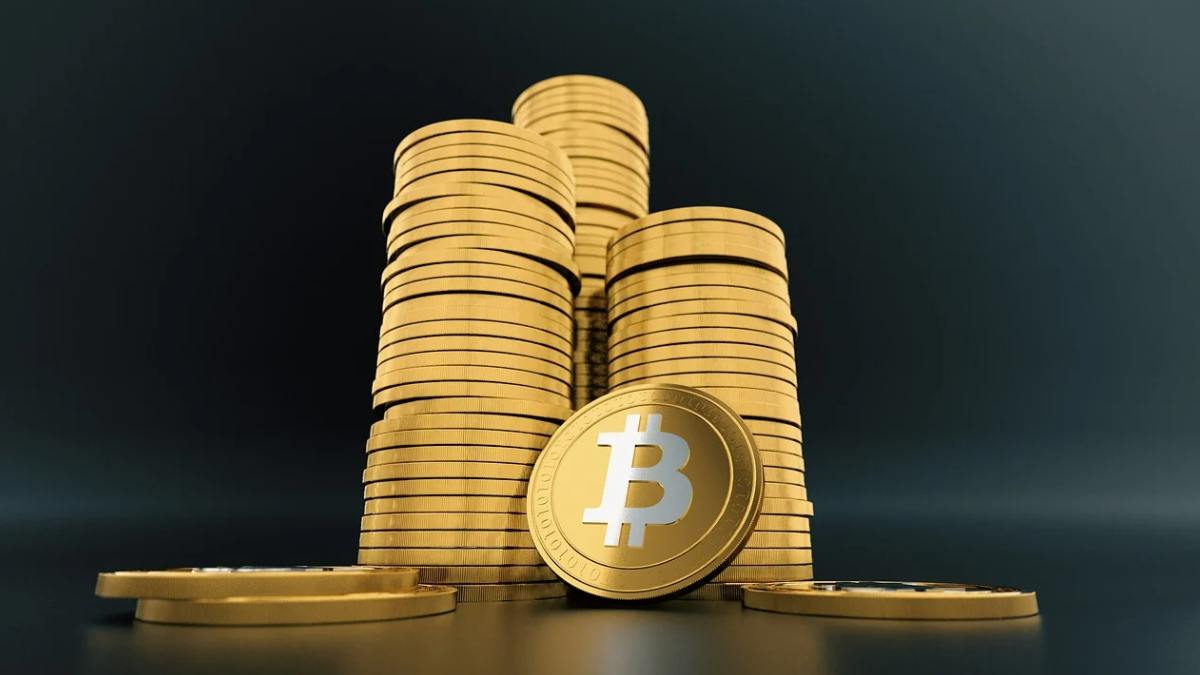
There’s a moment everyone recognizes.
You’re emptying your pockets at the end of the day. Coins hit the counter. A few crumpled bills appear from nowhere. Somehow you’ve accumulated enough loose money to buy lunch—or at least a decent coffee.
Ten years ago, that spare change would’ve gone straight into a jar.
Now? Some people walk into a convenience store, feed it into a glowing machine, scan a wallet code, and watch digital currency appear on their phone.
It sounds futuristic. It’s actually pretty normal now.
The modern Bitcoin ATM has quietly turned everyday cash into a fast gateway to cryptocurrency. But here’s the thing: not every transaction works equally well. Small habits—timing, preparation, even location—can affect how much value you actually get.
So if you’re converting spare cash into crypto, a little strategy goes a long way.
Let’s talk tactics.
1. Watch the Market (Yes, Even for Small Transactions)
Bitcoin moves fast.
Sometimes wildly fast.
Because a Bitcoin ATM reflects live market pricing, the exact moment you convert cash can slightly change how much cryptocurrency you receive. A small shift in price—even within a few hours—can affect the outcome.
Now, this doesn’t mean staring at charts all day like a sleep-deprived trader.
But a quick glance at price movement before heading out? Smart move.
Some users even set alerts on financial apps. A notification pops up when prices dip, and suddenly that spare cash conversion looks a little more appealing.
Timing isn’t everything.
But it helps.
2. Think Small and Consistent
Here’s a trick seasoned crypto users swear by: smaller, repeat transactions.
Instead of converting a large amount all at once, many people spread conversions over time. The idea is simple—prices fluctuate constantly, so smaller transactions reduce the risk of hitting a bad moment.
Financial folks call it averaging.
Regular people call it common sense.
A weekly visit to a Bitcoin ATM with a small amount of cash can gradually build a digital balance while smoothing out the chaos of market swings.
It’s not flashy.
But it works.
3. Your Location Actually Matters
Not all machines operate exactly the same.
Some have different limits. Some update pricing faster. Others simply run smoother because of better connectivity or higher transaction volume.
Yes, even machines have personalities.
Before converting cash, many users quickly check nearby options. Some machines offer clearer instructions, better accessibility, or smoother processing times.
If you’re curious about how physical money becomes cryptocurrency in the first place, resources explaining how coins to cash systems work offer a helpful overview of the process.
And once you understand the mechanics, picking the right machine becomes easier.
4. Prepare Your Wallet Before You Step Up
Let’s be honest.
Nothing slows down a quick transaction like someone standing at the machine, frantically unlocking apps while a line forms behind them.
We’ve all seen it.
Most Bitcoin ATMs require scanning a wallet QR code. That means your crypto wallet app needs to be open and ready before the transaction starts.
Two taps. QR code visible. Done.
Preparation turns a clunky two-minute process into a smooth thirty-second one.
And everyone behind you silently appreciates it.
5. Keep a Simple Conversion Log
This one sounds boring.
It’s also surprisingly useful.
Many people treat small crypto conversions casually—drop in cash, receive cryptocurrency, move on. But keeping a basic record of transaction dates, amounts, and prices can reveal patterns.
Over time, you may notice certain days or market conditions consistently offer better value.
Economists love data. For good reason.
Even a small spreadsheet can help you see how your Bitcoin ATM transactions perform over weeks or months.
And once patterns appear, smarter decisions follow.
Final Thoughts: Spare Change, New Possibilities
The humble change jar isn’t obsolete.
It’s evolving.
In 2026, loose coins and small bills can quickly move into the digital economy through a Bitcoin ATM—often in less time than it takes to buy a soda at the same store.
That accessibility is what makes these machines powerful. They lower the barrier to entry for people curious about cryptocurrency but not interested in navigating complex trading platforms.
And with a little awareness—better timing, smarter preparation, consistent tracking—even small conversions can grow into something meaningful.
Funny how financial habits change.
One minute it’s spare change on the counter.
Next minute it’s part of the global blockchain economy.
Also Read: A Complete Guide to Vheer AI: Easy & Free AI Image Generator

Why Manufacturers Need Industry-Specific CRM Systems
Managing customer relations in today’s manufacturing environment is about so much more than just keeping track of sales. Today’s manufacturers…

Third-Party vs Comprehensive Insurance: Finding the Right Cover for Your Scooter
Your scooter needs reliable insurance that can provide financial protection when any unexpected situation arises. Third-party and comprehensive policies provide…