

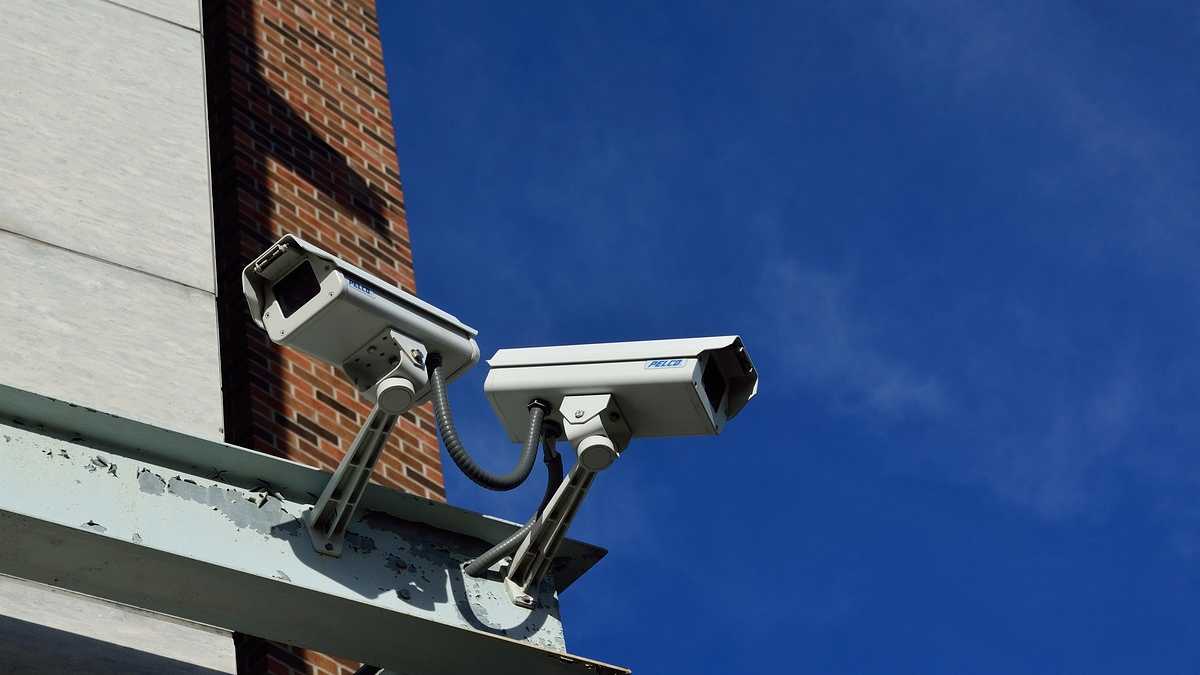
In many Indian cities, high-quality cameras with artificial intelligence keep an eye on vehicles at traffic signals and busy crossings. These cameras ensure recording every offender and report to the authorities. They detect common violations like jumping a red light, speeding, or riding without a helmet.
For example, Andhra Pradesh has a network of more than 6,000 CCTV cameras that monitor the roads 24/7. When the system detects a violation, the system automatically issues an ap e challan and notifies the owner. Artificial intelligence now handles manual and time-consuming tasks. These systems eliminate roadside negotiations, and they hardly miss an incident.
What Are AI Cameras and How Do They Work?
AI cameras, also known as intelligent traffic monitoring cameras, use artificial intelligence and computer vision to detect and report traffic violations without human involvement.
Also, in our country, these cameras play a major role in traffic enforcement. They are changing the concept of managing road safety and ensuring people follow traffic rules.
How AI Traffic Cameras Work?
The AI traffic camera system has a fully automated process to detect violations quickly. Here is how it works:
-
Detection
At first, high-resolution cameras with advanced sensors record vehicles at intersections, signals, and highways. These cameras are mounted on poles or overhead structures to watch the roads 24/7 for continuous monitoring.
-
Recognition and Analysis
As soon as the footage is captured, AI software analyses it in real time. It uses two key technologies:
- Automatic Number Plate Recognition (ANPR): This helps to read and identify vehicle number plates with high accuracy.
- Then, deep learning computer vision models detect violations such as jumping a red light, not wearing a helmet, or improper vehicle movement.
-
Verification
Then, the system matches the detected number plate with official databases like VAHAN and state traffic police records. Thus, it ensures the challan goes to the correct vehicle owner.
-
Automated Challan Generation
Once the system confirms the violation, it instantly creates a digital e-challan. The challan includes the type of violation, time, date, location, vehicle number, and photo or video proof.
-
Notification
After that, the system sends an SMS or email alert to the vehicle owner. Owners can log in to the e-challan portal to check the evidence and pay the fine online. However, some states have their own e-challan portals to manage these things such as e challan telangana.
Key Violation Detection Capabilities of AI Cameras
AI traffic camera systems can detect different types of violations in real-time, such as:
-
Safety-Related Violations
It can detect whether a rider or pillion is not wearing a helmet, or if someone is driving without a seatbelt. The cameras analyse the images and catch these violations.
-
Traffic Rule Violations
Whether someone jumps a red light, drives in the wrong direction, speeds, or switches lanes incorrectly, the system tracks vehicle movement and speed to flag the incident.
-
Vehicle-Related Issues
If a vehicle is unregistered or blacklisted, the system identifies it right away by matching the number plate with official databases. Recently, the Advanced Traffic Management System (ATMS), was installed along the 56.46 km stretch of the Dwarka Expressway and NH-8 in Gurgaon.
It is capable of identifying 14 violations at the same time, which is an example of how innovative and effective modern AI enforcement has turned out to be.
Real-Life Implementations of AI Cameras in India
Traffic cameras powered by AI were quickly introduced in our country in major cities to transform road safety. Some key examples are:
-
Bengaluru – Intelligent Traffic Management System (ITeMS)
One of the cities in India that enforces AI-powered traffic enforcement is Bengaluru. The city is equipped with approximately 75 AI cameras at major crossroads with ITeMS. These cameras have recorded almost 11,800 traffic offences daily, and approximately 87% of the total traffic offences recorded between January and July 2025.
-
Delhi – Advanced Traffic Management System and Safe City Project
The first 56.46 km long Dwarka Expressway and the NH-48 route in India were equipped with the first AI-based Advanced Traffic Management System (ATMS) by Delhi.
The system has 110 high-resolution cameras. These cameras can simultaneously track and detect 14 categories of traffic offences. Also, the city has embedded 3,500 AI cameras as part of the project known as Safe City.
-
Maharashtra – Mumbai–Pune Expressway and Statewide Rollout
In July 2024 through July 2025, AI cameras fined up to Rs. 470 crore on the Mumbai-Pune Expressway. The state is in the process of installing AI cameras on 850 highway black spots of accidents, where there are 25,000 km of roads. This project will have a value of 1100 crore to identify 17 categories of violations and will lower accidents.
Final Word
The AI cameras are changing the traffic rules enforcement system. They make road safety smarter by automating violation detection without human involvement. With real-time monitoring and data analysis, these systems help prevent accidents, improve traffic movement, and encourage people to follow the rules. These cameras are installed across cities and highways in India to make roads safer by discouraging risky behaviour.
Related Post: How Eastern States Are Embracing the Future of Smart Traffic Systems


How AI-Powered Pay Calculators Help You Understand Your Real Earnings
Knowing the amount of money you will really bring home after taxes has become a crucial issue in the contemporary…

Boost Your SIP Returns: 5 SIP Mistakes You Can Easily Avoid
A Systematic Investment Plan (SIP) has become one of the most popular ways to invest in Mutual Funds. It helps…