

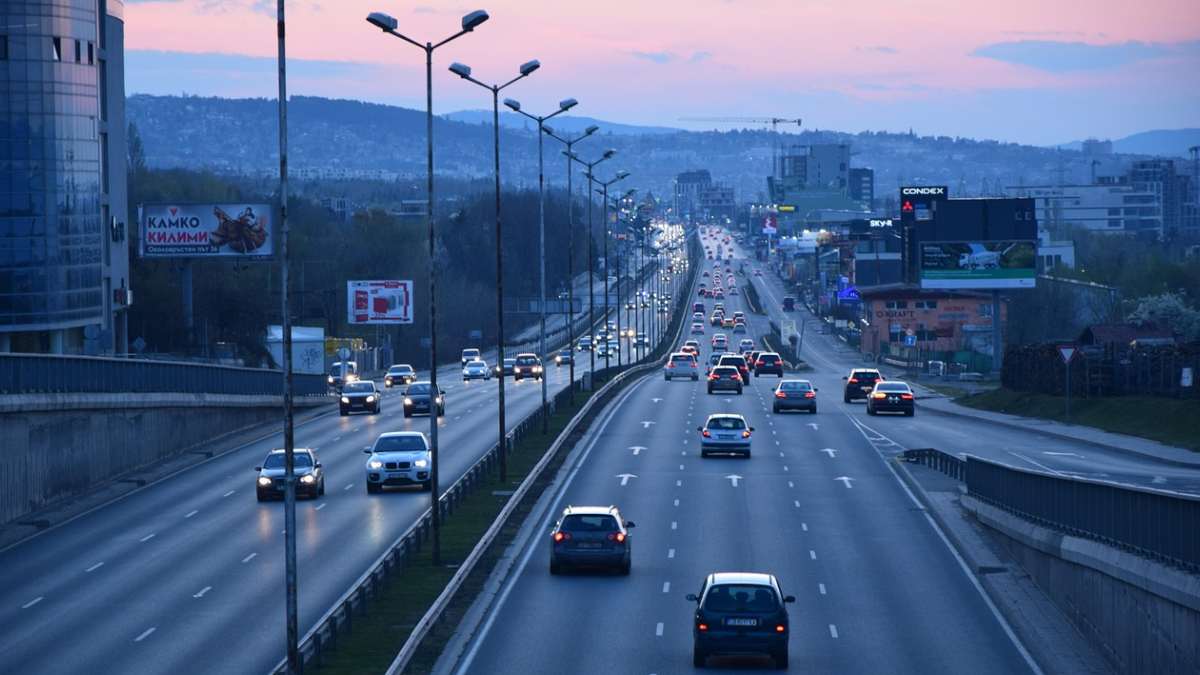
The eastern cities of India are undergoing a major transformation in their urban traffic management systems. Eastern states like West Bengal, Odisha, and Bihar started using smart traffic systems powered by AI (Artificial Intelligence) and IoT (Internet of Things).
Recently, Bihar has launched an AI-driven traffic management system across 26 districts to automate violation detection at 72 major junctions. This is a big step forward in reducing congestion and building more sustainable urban environments.
Now, AI-powered traffic systems can even help in issuing an echallan by automatic violation detection. Keep reading to know how.
Traffic Challenge in Eastern India
Traffic jams are a critical issue for major eastern cities in Eastern India. Cities like Kolkata, Bhubaneswar, Patna, and Lucknow struggle with daily gridlocks during rush hours due to rapid urbanisation and the increased number of vehicles. It finally results in longer travel times, wasted fuel, and pollution.
Traditional traffic systems depend on fixed signal timings and manual monitoring. This is now unable to keep up with these complex conditions. In Bihar alone, around 1,389 people lost their lives in road accidents in 2023, and a large number of those fatalities were linked to helmet-related violations.
Faced with these challenges, state governments are installing AI-powered traffic solutions that can adapt in real time and automatically enforce rules. The goal is to modernise urban transport networks and make city travel smoother, safer, and more sustainable.
5 Components Used By Eastern States in AI-Powered Traffic Systems
Advanced Traffic Management Systems (ATMS) is a combination of some components that make the traffic enforcement better:
- Traffic Monitoring Cameras (TMCS)
- Video Incident Detection & Enforcement System (VIDES)
- Vehicle‑Actuated Speed Display (VASD)
- Variable Message Signboards (VMS)
- Central Command & Control Room
AI-Powered Adaptive Traffic Signals in Eastern Cities
Eastern India is seeing major improvements in traffic management with AI-based adaptive signal systems that adjust light timings in real time.
- Kolkata has automated eight key roads, including C. R. Avenue, J. L. Nehru Road, and the entire EM Bypass, where an AI trial at Patuli crossing analyses traffic queues to dynamically adjust signals.
- The Bihar Traffic Department is implementing a system that automatically verifies the validity of a car’s documents. If any document is invalid or expired, an e challan Bihar is issued.
- Bhubaneswar leads with 50 smart junctions and 14 pedestrian pelican signals, expanding to 25 more with advanced AI, LED-lit poles, and countdown timers.
- Lucknow and Patna are also adopting sensor-based adaptive signals at busy intersections.
These systems help reduce waiting times, ease congestion during rush hours, and improve overall traffic flow through intelligent, synchronised signalling across major routes.
Real-Time Violation Detection and Enforcement
Apart from improving traffic flow, Eastern states are now using AI to automatically detect and penalise traffic violations.
- In Bihar, 72 junctions across 26 districts are equipped with CCTV and Automatic Number Plate Recognition (ANPR) cameras that track violations.
- Since April 2025, automated challans have been issued to offenders, which discourages rule-breaking.
- Kolkata uses 3,500 – 4,000 CCTV cameras, including 125 license plate readers, to catch offences like using phones while driving or skipping helmets.
- Patna has over 3,300 cameras at 415 spots, including 473 red-light violation cameras and 150 ANPR units.
This AI-based enforcement has improved rule compliance, reduced accidents, and helped identify repeat violators and risky traffic patterns.
Emergency Response and Green Corridors
Several eastern cities have introduced AI-driven green corridor systems that give priority to emergency vehicles. Ambulances and fire brigades use an app-based signal activation feature that automatically turns traffic lights green as they approach intersections.
Real-time traffic prioritisation ensures smoother passage for emergency services and effectively tackles one of the biggest challenges of traffic management.
Success Achieved and Future Expansion
After implementation, wait times reduced, accident rates declined, emergency response times improved, and fuel consumption decreased.
Kolkata continues expanding with additional stretches, including Syed Amir Ali Avenue, Gariahat Road, and Sarat Bose Road, while Bhubaneswar plans comprehensive coverage of 75 junctions by 2026.
Final Words
Eastern India’s embrace of smart traffic systems represents a significant step toward sustainable urban mobility and improved quality of life for millions of citizens. Through AI-powered adaptive signals, automated enforcement, emergency vehicle prioritisation, and data-driven infrastructure.
This technological transformation not only reduces congestion and improves safety but also demonstrates governmental commitment to leveraging innovation for public welfare.
Also Read: Home Insurance for Fire, Theft, and Vandalism: What You Should Know


The Tech-Savvy Traveler’s Guide to Urban Adventures
Your smartphone has become the ultimate travel buddy for exploring a new city. It’s your map, your translator, your camera,…

Third-Party vs Comprehensive Insurance: Finding the Right Cover for Your Scooter
Your scooter needs reliable insurance that can provide financial protection when any unexpected situation arises. Third-party and comprehensive policies provide…