

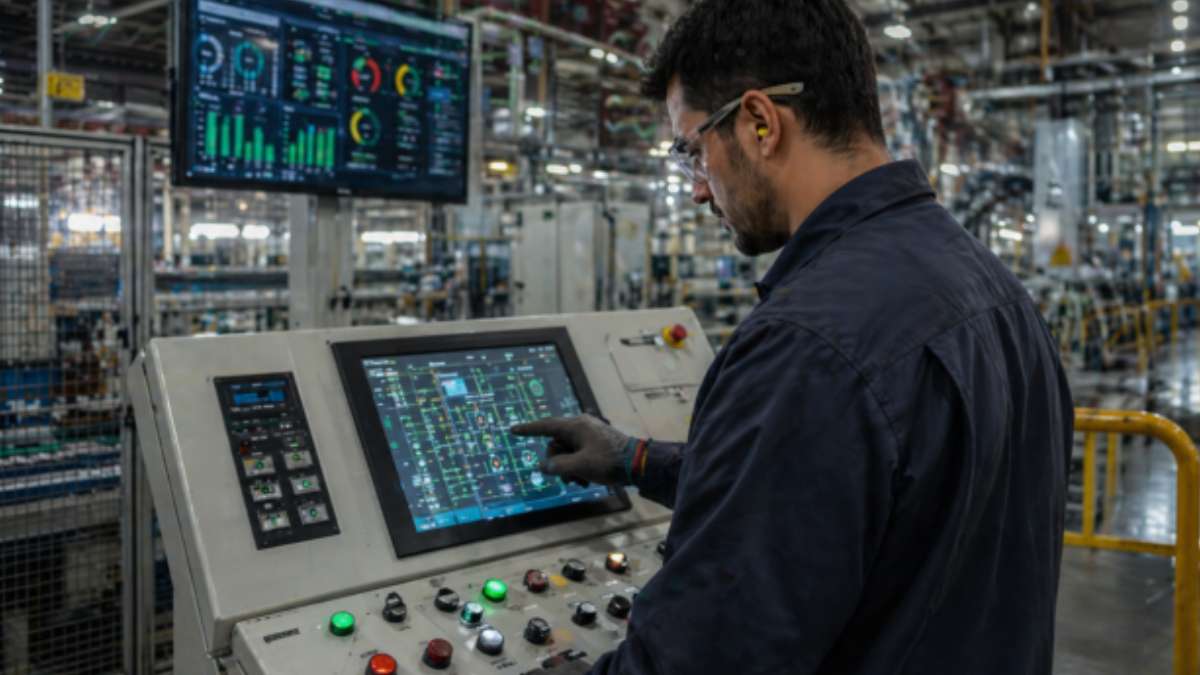
Industrial systems are becoming more advanced, but usability often lags behind.
Operators are expected to manage complex controls, interpret dense information, and make fast decisions under pressure. When interfaces are not designed for real human behavior, errors increase, efficiency drops, and safety risks rise.
Human-centered design in industrial interfaces addresses this gap by focusing on how people actually interact with systems in real environments.
What Is Human-Centered Design in Industrial Interfaces?
Human-centered design is an approach that prioritizes the needs, behavior, and limitations of users when designing systems.
In industrial interfaces, this means creating controls and displays that are:
- Easy to understand
- Efficient to operate
- Reliable under real-world conditions
- Designed to reduce cognitive load
Instead of forcing operators to adapt to machines, systems are designed to align with human workflows.
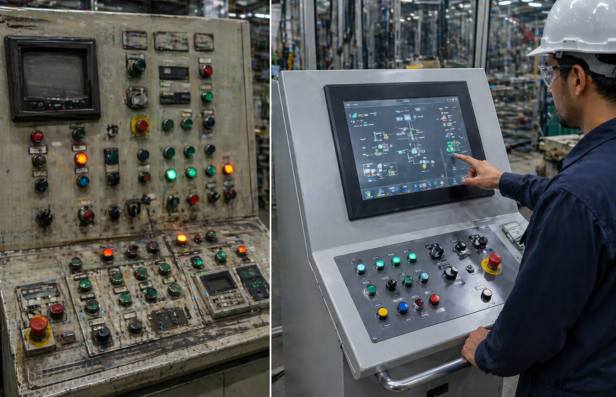
Why Human-Centered Design Matters in Industrial Systems
In industrial environments, small usability issues quickly become operational problems.
Key impacts:
- Reduced operator errors through clearer interactions
- Faster task execution with intuitive controls
- Improved safety in high-risk environments
- Lower training time for new users
- More consistent performance across shifts
Design directly influences how effectively systems are used in production.
Real-world guide to poor UI design leading to user error in medical devices shows how interface decisions can directly affect safety, efficiency, and operator performance.
Core Principles of Human-Centered Design
1. User-Centered Thinking
- Design based on real operator behavior and workflows
- Understand how tasks are performed in actual environments
2. Simplicity
- Remove unnecessary complexity
- Focus on essential actions and information
3. Consistency
- Maintain predictable layouts and control patterns
- Reduce confusion and learning time
4. Feedback and Visibility
- Provide clear system responses
- Ensure users always understand system status
5. Error Prevention
- Design to minimize incorrect actions
- Include safeguards and confirmations where needed
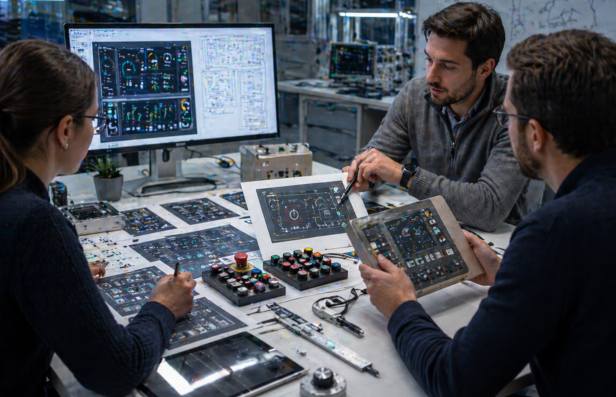
Key Elements of Industrial Interface Design
1. Visual Clarity
- High contrast and readable text for all lighting conditions
- Clear labeling for quick recognition
2. Control Accessibility
- Logical placement of buttons and controls
- Easy interaction, even with gloves or limited visibility
3. Information Hierarchy
- Prioritize critical data
- Avoid clutter and unnecessary information
4. Durability and Reliability
- Interfaces must withstand harsh industrial environments
- Resistance to temperature, moisture, and chemicals
Common Challenges in Industrial Interface Design
1. System Complexity
- Multiple functions increase cognitive load
- Risk of overwhelming users
2. Harsh Operating Conditions
- Environmental factors affect visibility and usability
- Interfaces must remain functional under stress
3. Operator Variability
- Different experience levels among users
- Need for intuitive and adaptable design
4. Safety Requirements
- Compliance with strict standards
- Clear warnings and fail-safe controls
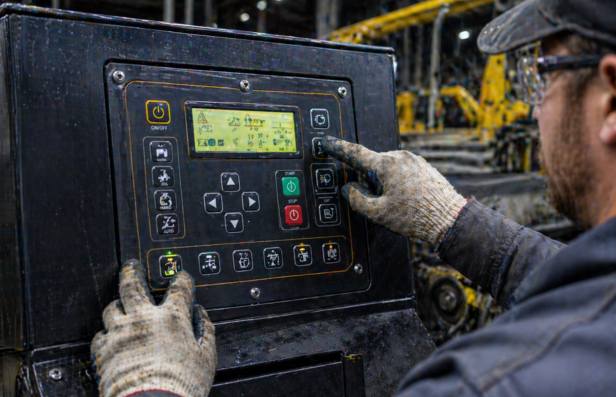
How Human-Centered Design Improves Performance
1. Reduced Errors
- Clear layouts reduce confusion
- Better decision-making under pressure
2. Faster Operations
- Intuitive controls speed up tasks
- Reduced cognitive effort
3. Improved Safety
- Better visibility and feedback
- Fewer operational mistakes
4. Increased Productivity
- Efficient workflows
- Reduced downtime
Role of Materials and Technology in Interface Design
In industrial environments, physical interface design plays a critical role alongside digital usability.
Key considerations:
- Durable materials that withstand continuous use
- Responsive tactile feedback for accurate input
- Clear graphic overlays for visibility and guidance
- Integration with electronic systems for reliability
Material selection and construction directly influence both usability and long-term performance.
Human-Centered Design in Printed Electronics and HMI Systems
Printed electronics and HMI technologies enable more adaptable and user-focused interface solutions.
Key advantages:
- Custom layouts tailored to specific workflows
- Lightweight and compact interface structures
- Enhanced tactile and visual feedback
- Durability for demanding industrial environments
From real-world applications, design decisions such as button placement, tactile response, and visual hierarchy significantly impact usability. Aligning these factors early ensures that interfaces perform reliably at scale.
Organizations specializing in printed electronics and interface solutions often integrate these principles into both design and manufacturing, ensuring usability and durability are not treated as separate considerations.
Best Practices for Human-Centered Industrial Design
1. Understand the End User
- Observe real workflows and environments
- Identify usability challenges
2. Prototype and Test
- Validate design through real interaction
- Gather feedback early
3. Simplify Interface Design
- Focus on essential functionality
- Remove unnecessary elements
4. Design for Real Conditions
- Consider lighting, noise, and stress factors
- Ensure usability in actual environments
5. Iterate Based on Feedback
- Continuously refine design
- Improve usability over time
Designing for People, Not Just Systems
Industrial interfaces are not just control panels. They shape how decisions are made in real time.
When an operator interacts with a system, clarity and speed matter. Every interaction should feel intuitive, especially in high-pressure environments where delays or confusion can lead to costly errors.
Human-centered design changes the focus from adding features to improving usability. That shift is what enables systems to perform consistently in real-world conditions.
In industrial settings, the most effective interfaces are not necessarily the most advanced. They are the ones that operators can use confidently, without hesitation, even in demanding situations.
FAQs
What is human-centered design in industrial interfaces
Human-centered design focuses on creating interfaces that address user needs, behaviors, and limitations to improve usability, efficiency, and safety.
Why is human-centered design important in industrial systems
It reduces operator errors, improves productivity, enhances safety, and ensures systems are easy to use in real-world conditions.
What are the key principles of human-centered design
The key principles include user focus, simplicity, consistency, feedback, and error prevention.
How does human-centered design improve industrial performance
It improves performance by reducing errors, increasing efficiency, enhancing safety, and simplifying complex operations.
What role do materials play in industrial interface design
Materials impact durability, usability, and reliability, especially in harsh environments where interfaces must withstand continuous use.
Also Read: How Sungrow Supports Reliable Energy Storage System (ESS) Deployment in Australia?


Third-Party vs Comprehensive Insurance: Finding the Right Cover for Your Scooter
Your scooter needs reliable insurance that can provide financial protection when any unexpected situation arises. Third-party and comprehensive policies provide…

How to Compare Health Insurance Claim Settlement Ratios?
A health insurance claim settlement ratio can appear to offer a quick answer about an insurer’s reliability, but one percentage…