

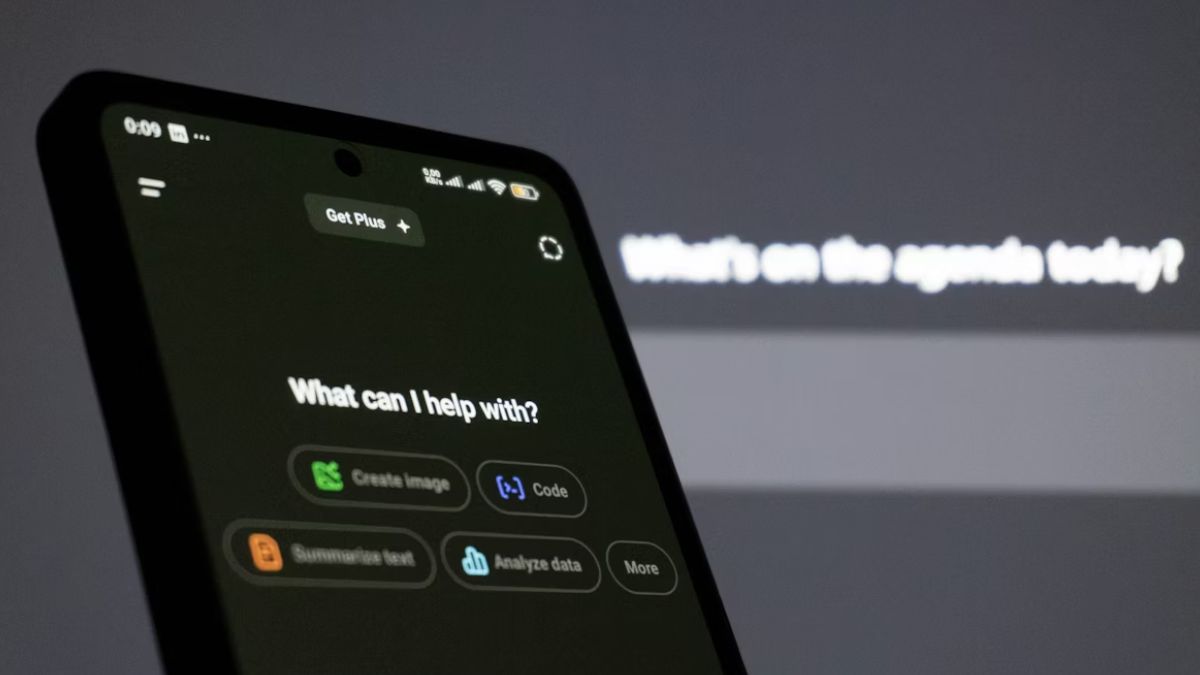
Have you ever had a day when you’re constantly switching gears? Meetings pile up, deadlines approach, and then you remember you need to check your stock levels. Here’s the thing: you can do it without having to stop and grab your phone. Just ask your assistant, “What’s the latest stock in warehouse three?” Simple. No typing, no scrolling through apps. This isn’t some far-off fantasy. It’s the reality taking shape for 2026. As managers and leaders in business teams, we’re watching voice assistants change from novelty features to essential tools for efficiency and engagement in app ecosystems. But how are they really changing how we interact? Let’s look at the trends, applications, and what this means for your plans.
The Rise of Voice Technology in 2026
Voice assistants are popular. By 2026, over 157 million people in the U.S. are expected to use them daily. They’re smarter and more helpful, using advanced AI to understand and learn from what we say.
One key shift? The move toward agentic voice AI, where assistants don’t just respond but act proactively. For instance, in a CRM app, the voice system might flag a dipping customer satisfaction score and suggest outreach scripts on the spot. It’s fascinating, really, how this builds on 2025’s hype around AI personalization. Yet, amid the excitement, there’s a reality check: Not all voice tech is ready for prime time. Market corrections highlight limits in handling nuanced accents or noisy environments. Still, for business apps, the potential to streamline operations is huge. Leaders need to weigh these advancements against practical rollout challenges, like ensuring data privacy in voice-driven commands.
Transforming User Interactions
Voice assistants are changing how people use apps, making complicated tasks simple conversations. This change offers convenience, makes things more productive, and adds custom options for businesses.
Enhancing Intuitiveness and Accessibility
The key change is how voice assistants make apps feel more intuitive. By 2026, voice commands will likely become the primary method for hands-free tasks, such as driving, warehouse work, and quick inquiries during meetings. Short commands make things efficient, while longer, natural conversations help build stronger connections with apps.
Revolutionizing Niche Markets
This change makes a real difference in markets with their own rulebooks. Consider Japan’s approach to online gambling. The legal status of gambling there is unclear. Most forms are banned, but exceptions exist for some approved activities, like horse racing. Because of this, many players use VPNs for access and cryptocurrency for privacy and quick transactions. Online gambling sites in Japan feature Japanese-language interfaces, popular local games like Riichi mahjong, pachinko, and pachislot variants, alongside classics such as baccarat and sic bo. Voice assistants may change how we interact with these games. They could allow hands-free betting, explain rules in other languages, or provide quick info on fair crypto games, making gaming easier without needing to constantly look at a screen.
Applications in Customer Service
Think about customer service applications. Voice AI is set to handle repetitive work, so human agents can concentrate on tougher problems. Some forecasts say AI could power 95% of customer conversations. This strategy mixes voice technology with automation to design experiences that feel unique to each customer. Of course, there are some limitations. The technology sometimes struggles to grasp context, leading to those irritating moments we’ve all encountered. But when it succeeds, it changes clunky digital interfaces into smooth, flowing dialogues.
Strategic Implications for App Design
Senior teams should take a new look at how they build apps. Start with voice commands in your app. Here’s a simple tweak that can really make a difference. When you let people talk instead of tapping through menus, they get things done faster. And when things are faster, people are happier and more likely to stick around. It’s that simple.
Industry-Specific Applications
Voice assistants are evolving to serve specific purposes. They’re adapting to different fields. Retail apps use voice for shopping. You just say what you need, and the assistant helps find it. It even remembers what you usually buy. Healthcare apps use voice for patient check-ins. People can describe symptoms without struggling with technology. This approach works better for everyone involved.
Then there’s entertainment and gaming, where real-time interaction amps up immersion. Picture navigating a virtual world or placing in-game commands just by speaking, which is already happening, and by 2026, it’ll be standard. Finance and CRM apps are jumping on this, too, with voice interfaces enabling voice-activated transactions or lead nurturing. The key for managers? Sometimes the best security is the simplest. Voice verification acts like a vocal fingerprint, adding protection without complicated steps.
Business Opportunities and Challenges
In 2026, voice tech will change things for senior leaders. It has clear advantages, but it has to be planned carefully. Voice integration stands to cut development costs over time. User interfaces can be easier to use, and there will likely be fewer support requests. The AI can handle basic questions, so your team can focus on strategy. Most people would rather talk than type. Apps with good voice interaction should see more returning users.
Still, there are some challenges. Keeping data private is a must. Voice recordings have personal info, so you need to follow all the privacy rules. Not everyone has access to good microphones or quiet places to talk. Promising too much from AI can disappoint people. It’s smart to test voice features in smaller areas first. Get user input, improve from that, and work with experts in the field. The goal is to match voice initiatives with your business aims, making things better without causing new issues.
Conclusion
In 2026, voice assistants should change how we use apps by making them feel more natural and straightforward. This shift, from helpful tools in business to specialized features in specific fields, could benefit companies that change early. To succeed, it’s important to innovate carefully. Managers should examine their apps now, identifying where voice can simplify tasks and what problems might arise. By carefully adopting these changes, your company can stay ahead. This is about more than technology; it’s about making interactions feel human.
Also Read: Use Secure DNS: This Setting Is Disabled on Managed Browsers (And Why That’s Driving Me Crazy)


How Continuous Controls Monitoring Prevents Configuration Drift
Configuration drift occurs when infrastructure changes faster than your ability to validate it. Continuous controls monitoring is your navigation system—constantly…

How to Download Instagram Videos Easily Using VidMate
Instagram has become one of the most popular platforms for sharing videos, reels, and creative content. From entertaining clips to…