

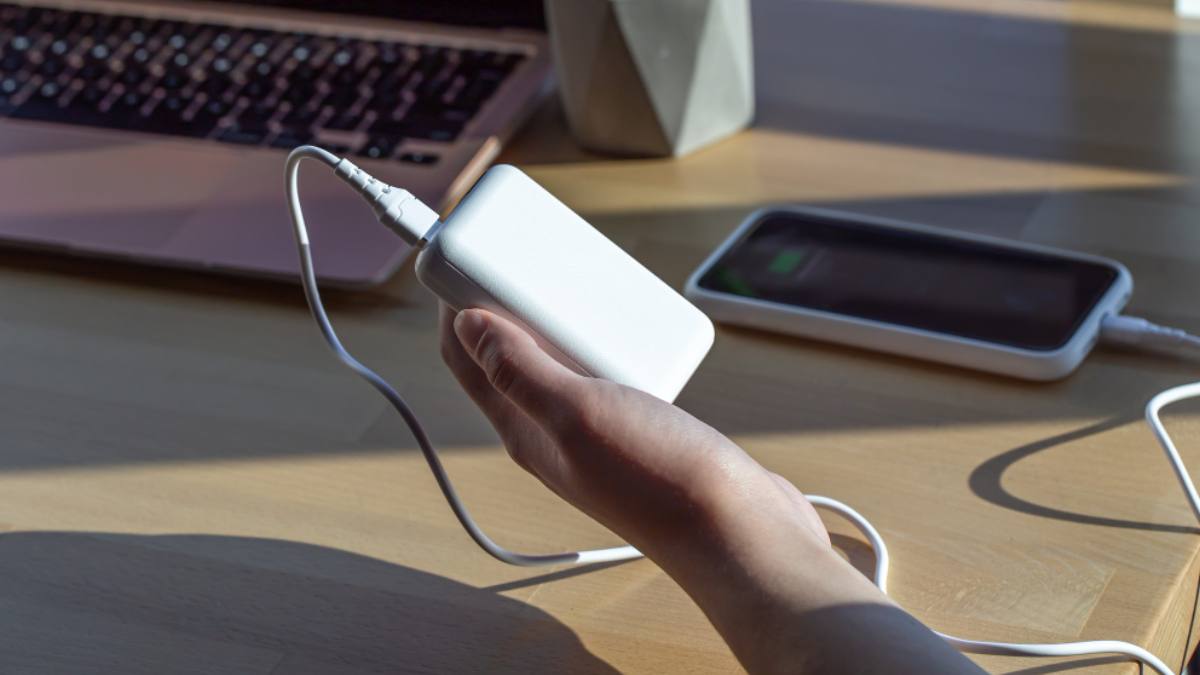
With smartphones, tablets, wireless earbuds, and other gadgets becoming part of everyday life, power banks have turned into an essential accessory. Whether you’re commuting, traveling, or simply dealing with long workdays, a power bank ensures your devices stay charged when you need them most. However, many people make common mistakes while buying a power bank, which can lead to poor performance, safety issues, or wasted money.
To help you make the right decision, here are the top mistakes to avoid when buying a power bank.
1. Choosing Capacity Without Understanding Your Needs
One of the most common mistakes is selecting a power bank based solely on its advertised capacity. While higher capacity may sound better, it’s not always necessary. Buying a very high-capacity power bank when you only need occasional charging can result in extra weight and bulk.
Instead, consider how often you charge your devices, how many devices you carry, and how long you stay away from a power source. Understanding your usage will help you choose a capacity that offers the right balance between performance and portability.
2. Ignoring Charging Speed and Output Power
Many buyers overlook charging speed, focusing only on capacity. Charging speed depends on the output power supported by the power bank and the device being charged. A slow-charging power bank can be frustrating, especially when you’re short on time.
Always check the output specifications and ensure the power bank supports efficient charging for your devices. This is especially important if you use modern smartphones or tablets that support faster charging standards.
3. Overlooking Port and Cable Compatibility
Another common mistake is ignoring compatibility with cables and ports. While many devices now use USB Type-C ports, some users still rely on older cables. Using incompatible or low-quality cables can slow down charging or even damage your device.
Make sure the power bank supports the cables you commonly use, r. A power bank that works well with modern cables ensures better performance and convenience.
4. Buying Without Checking Safety Features
Safety should never be compromised when choosing a power bank. Low-quality batteries or poor internal components can cause overheating, overcharging, or short circuits. Unfortunately, many buyers focus on price alone and ignore safety standards.
A reliable power bank should include built-in protections such as overcharge protection, short-circuit prevention, and temperature control. These features protect both your device and the power bank itself, ensuring long-term reliability and safe usage.
5. Ignoring Build Quality and Durability
Power banks are often carried in bags, pockets, or backpacks, which exposes them to daily wear and tear. Choosing a power bank with poor build quality can result in cracks, loose ports, or internal damage over time.
Look for power banks with sturdy construction, durable casing, and well-designed ports. A solid build ensures the power bank can handle daily use, travel, and occasional drops without affecting performance.
6. Not Considering Portability and Weight
Many users buy powerful power banks only to realize later that they are too heavy or bulky for daily use. Portability plays a key role, especially if you carry your power bank every day.
Before buying, consider the size, thickness, and weight of the power bank. Compact and slim designs are easier to carry and more convenient for regular use, while larger models may be better suited for long trips or multiple-device charging.
7. Forgetting to Check Input Charging Time
Another overlooked aspect is how long it takes to recharge the power bank itself. High-capacity power banks can take several hours to fully recharge, especially if they don’t support efficient input charging.
Check whether the power bank supports faster input charging and works well with modern adapters and cables. Using compatible type C cables can help reduce recharge time and improve overall efficiency.
8. Choosing Price Over Value
While affordability matters, choosing the cheapest option is often a mistake. Low-priced power banks may lack safety features, reliable performance, or durable components.
Instead of focusing only on price, consider the overall value—charging speed, safety, build quality, warranty, and after-sales support. A slightly higher investment in a quality power bank often pays off in the long run.
9. Ignoring Brand Reputation and Support
Many buyers underestimate the importance of brand reputation and customer support. In case of issues like charging problems or battery failure, reliable after-sales service makes a significant difference.
Choose power banks from brands that are known for quality, safety standards, and responsive customer support. This ensures peace of mind and better product longevity.
Final Thoughts
Buying the right power bank requires more than just picking one with a high capacity or a low price. By avoiding these common mistakes—such as ignoring charging speed, compatibility with type C cables, safety features, and portability—you can choose a power bank that truly meets your needs.
A well-chosen power bank offers reliable performance, safe charging, and long-term value, making it an essential companion for today’s connected lifestyle.
Also Read: 7 Common Mistakes Investors avoid with an FD Calculator


Dynamics 365 Migration: Thinks to Know Before a Single Record Moves
Most migration projects do not fail because the tooling is weak. They fail because the team treated the move as…

Fewer Tabs, Fresher Adverts: What Job Posting APIs Mean for UK Recruitment Teams
Ask any in-house recruiter or agency consultant in the UK where their week goes, and a surprising share of the…