

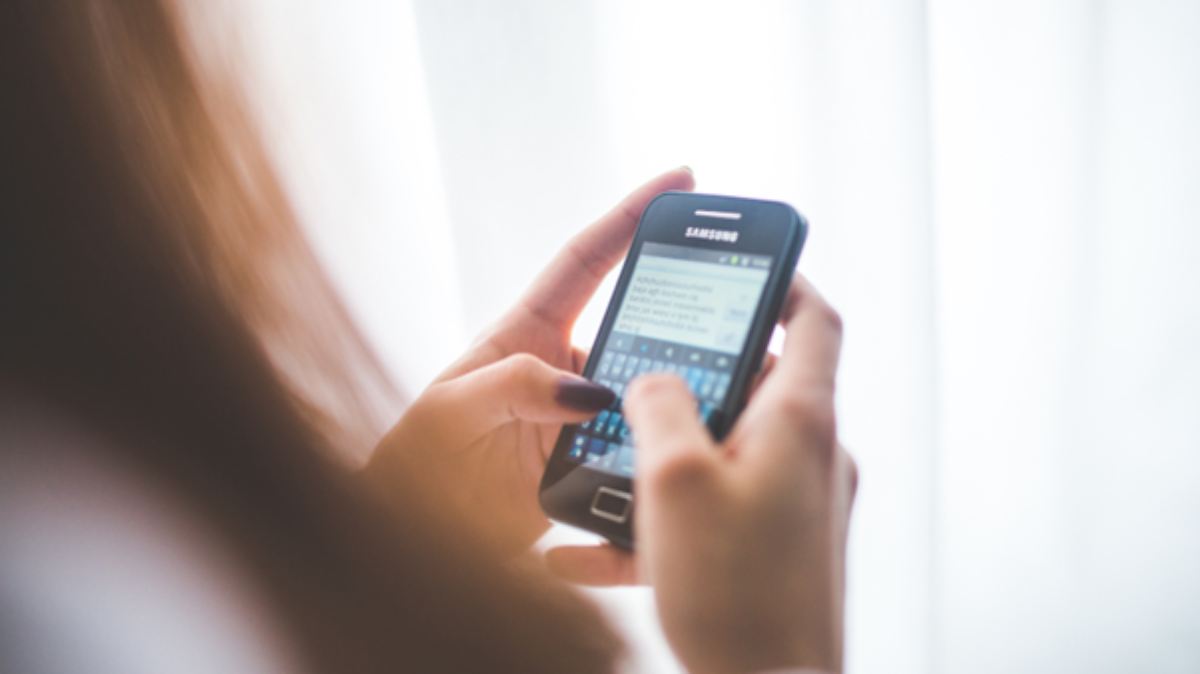
Here’s the thing: we’re smack in the middle of a tech revolution that’s way bigger than most people realize. Your phone? It’s not really a phone anymore. Think about it: it’s where you pay for stuff, check your health stats, get work done, and binge-watch shows at 2 AM.
A study found that more than half of all web browsing worldwide happens on mobile now, and some projects see mobile usage hitting 55% or higher. This isn’t some fad that’ll disappear next year. We’re talking about a fundamental change in how humans do everything from buying toilet paper to monitoring diabetes.
With so much depending on mobile connectivity, weak signal areas can seriously disrupt daily tasks — and that’s where a signal booster for mobile from myamplifiers.com helps maintain reliable performance, no matter your location.
The Mobile-First Revolution in Modern Life
Remember when desktops ruled everything? Yeah, those days are ancient history. Mobile devices have wormed their way into basically every part of how we live now. What kicked off as gadgets for making calls transformed into the main gateway most folks use to access the internet.
Your phone’s running your whole life at this point. Seriously. It tweaks your thermostat, watches you sleep, and handles checkout payments. Smart home stuff listens to phone commands, dimming lights from bed or peeking at security cams while you’re halfway around the world. Wearables chat constantly with mobile apps, keeping tabs on heartbeats, step counts, and weird health stuff that might need a doctor’s eyeballs. As people rely more on their phones for work, communication, and travel, the need for constant connectivity has never been greater. Having global unlimited data ensures that users stay connected wherever they go, whether it’s managing remote work across time zones or streaming content on the move.
2024 shattered records for mobile screen time. Mobile shopping keeps climbing by double digits every year while desktop purchases limp downward. Remote workers lean hard on phones and tablets when they’re away from desks. And Gen Z? Most wouldn’t know what to do with a desktop for personal stuff, smartphones handle literally everything for them.
How Connectivity Solutions Enable Mobile Living
Today’s connectivity tech knocked down walls that used to make mobile devices kinda useless in certain situations. Travelers, especially the international kind, scored huge wins from these upgrades.
Understanding Modern SIM Technology
So how does an international sim card work these days? Old-school SIM cards kept subscriber info on tiny physical chips you jammed into your phone. Modern eSIM tech bakes that functionality right into devices, letting you swap carriers or grab new plans digitally without fumbling with those microscopic plastic rectangles. Digital profiles download through the air, firing up new services in minutes instead of making you visit stores or wait for shipped cards.
Multi-network tricks mean your device grabs whatever carrier’s signal works best where you’re standing. Cloud-based systems make juggling multiple numbers dead simple, maybe one for work, another personal, flipping between them with quick taps.
Real-World Benefits for Travelers
Previously, figuring out how travel sim cards work meant planning ahead, hitting airport kiosks, or wrestling with language barriers at foreign phone shops, but now you fire up international e sim card services before your trip starts, guaranteeing connectivity when you touch down. No more frantic WiFi hunts or roaming bills that make your jaw drop.
Business travelers especially dig into managing work and personal numbers on a single device. Companies slash expenses compared to traditional roaming fees that could explode into hundreds or thousands for employees working overseas. Instant activation means zero downtime, super critical when you’re scheduling meetings across time zones or need maps in cities you’ve never seen before.
Security in Mobile-First Living
Depending on this heavily on mobile gadgets brings up legitimate safety worries that deserve straight answers.
Are eSIM Cards Secure?
Safety-wise, lots of people ask: are esim cards secure versus physical ones? Truth is, they pack several security advantages. Encryption standards shield digital SIM profiles exactly like traditional cards, except eSIMs eliminate physical theft risks. Nobody can yank your SIM card to hijack your account or stick it in their device without you knowing, a fraud trick that’s super common with physical cards.
Biometric authentication throws extra protection into the mix. Face scans or fingerprint checks must approve big account changes, making unauthorized messing around way harder. The tech meets banking-grade security standards, which explains why financial companies trust mobile platforms for sensitive money stuff.
Protecting Your Mobile Life
Fire up VPNs when you’re using public WiFi, those networks are sitting ducks for snooping. Two-factor authentication should guard all crucial accounts, demanding both passwords and verification codes texted to your device. Audit app permissions often, tons of apps want access to stuff they absolutely don’t need.
Federal Trade Commission guidelines stress protecting personal info on mobile devices, pushing regular security updates and tough passwords. Cloud storage needs its own security game plan since massive amounts of personal data back up automatically. Emergency access plans guarantee you can take back control if devices vanish or get swiped.
Daily Activities Transformed
Mobile-first design completely reimagined everyday tasks in ways that would’ve sounded like science fiction a decade back.
Shopping and Banking on Mobile
Banks operating purely on mobile now serve millions without physical locations. Budget apps automatically sort expenses, displaying spending habits that push people toward smarter money choices. Investment platforms let you grab stocks or crypto while scarfing lunch. The convenience angle drives adoption, why stand in bank lines when your phone does everything?
Starbucks reported a 14% jump in mobile order sales, proving how killer a well-designed mobile platform can be for customer engagement. Grocery delivery brings shopping to your door after browsing products on your phone. Recipe apps pitch meal ideas based on whatever’s already chilling in your fridge.
Health and Fitness Tracking
Telemedicine appointments roll through video calls on smartphones, wiping out commutes and waiting rooms. Continuous monitoring via connected gadgets alerts users and doctors about potential health problems before they explode into emergencies. Prescription refills need just a few taps rather than phone tag or pharmacy trips.
Mental health apps deliver therapy tools and meditation guides you can access whenever anxiety hits. Fitness tracking motivates movement by turning daily activity goals into games and connecting you with friends for competitive fun.
Choosing the Right Mobile Solutions
Picking the right connectivity setup determines whether mobile-first living flows smoothly or drives you nuts.
Evaluating Your Options
Coverage quality beats flashy features every time. Research which unlimited data esim providers cover regions you hit most often. Sneaky costs like activation fees or speed choking after hitting data caps can transform cheap plans into expensive headaches. Customer support quality becomes make-or-break when troubleshooting connection problems overseas.
User reviews expose reliability nightmares that slick marketing won’t admit. Compare pricing across multiple providers since rates swing wildly for comparable service. Some specialize in particular regions while others deliver genuinely worldwide coverage.
Making the Switch
Most recent smartphones handle eSIM tech, though confirming your specific model’s abilities prevents frustration. Battery life deserves thought since aggressive mobile usage murders power fast. Budget devices pack impressive features now, though premium picks deliver superior cameras and snappier processors.
Building your mobile-first tech toolkit means picking apps that play nicely together. Must-have categories include communication, productivity, finance, health, and entertainment. Integration between apps creates smoother experiences than disconnected tools demanding constant app-hopping.
Your Questions About Mobile-First Living
- How quickly can I activate an international e sim card?
Most eSIM services light up within minutes after buying. Download the provider’s app, pick your plan, finish payment, and the digital profile installs itself. You’ll have working service before traditional SIM cards would show up in your mailbox.
- What happens to my unlimited data esim when switching phones?
Transfer methods differ by provider, but most support shifting eSIM profiles between devices through their apps. Some require turning off the old device before lighting up on the new one. Hit up customer service if automatic transfers go sideways.
- Can I use travel sim cards and regular service simultaneously?
Absolutely, dual-SIM functionality lets devices run both physical SIM cards and eSIM profiles at once. Assign one for calls and another for data, or keep your home number alive while using local data internationally. Settings control which handles different jobs.

How Food Businesses Can Track Miles Across Multiple Delivery Stops
Food businesses can track miles across multiple delivery stops by recording the distance driven between each stop, assigning those miles…

Smart Home Design: Blending Tech with Timeless Style
Smart home design works best when technology feels like a natural part of the room. Lighting controls, heating systems and…