

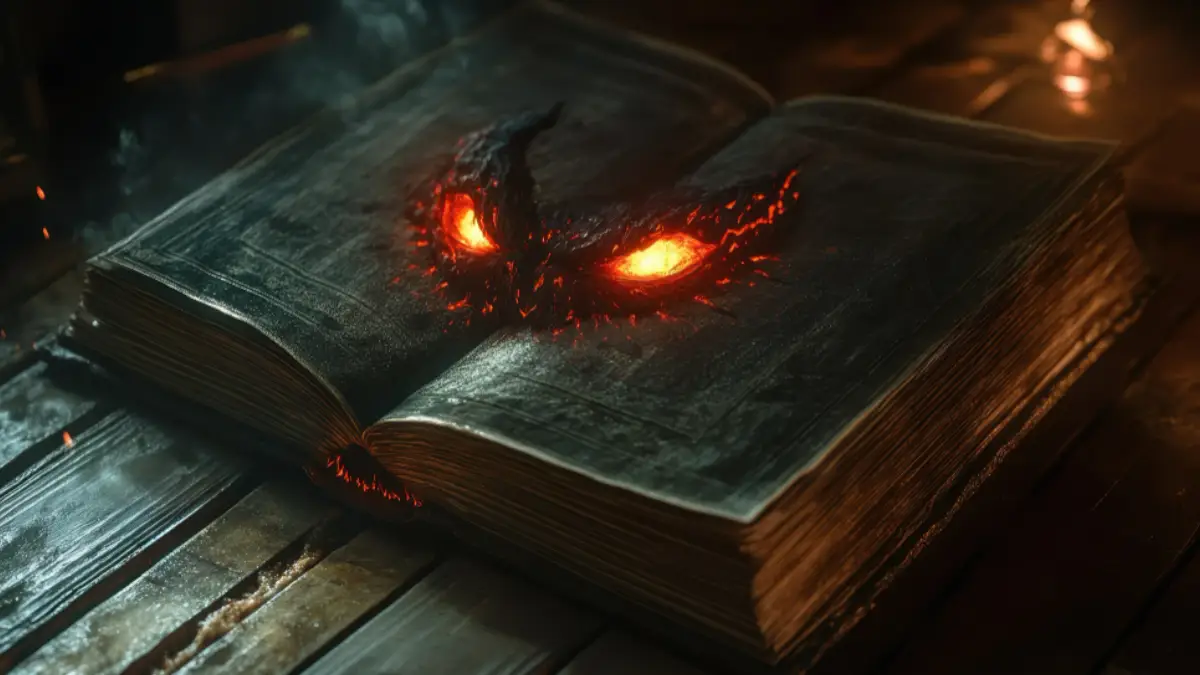
Runewords were one of the most beloved systems in Diablo 2, and after a long absence, they have returned to Diablo 4 through the Vessel of Hatred expansion. This time, though, they work in a completely different way. Instead of static bonuses, Diablo 4 runes operate as a cause-and-effect engine that reacts to how you play. Understanding that engine is the key to using them well, so here is a clear breakdown of how the system actually works and how to get the most out of it.
The Engine Behind Runewords
The whole system is built on a simple loop: one rune sets a condition, another rune fires an effect when that condition is met, and a resource called Offering connects the two.
Runes come in two categories. Runes of Ritual are the trigger. You place one in the top socket of an item, and it generates Offering whenever you perform a specific action, such as spending resources, casting a particular type of skill, moving a set distance, or getting crowd controlled. The harder the condition, the more Offering it produces each time.
Runes of Invocation are the payoff. Placed in the bottom socket, they sit idle until enough Offering has been banked, then spend it to unleash an effect. Those effects range from defensive buffs to powerful active abilities, and some of them even let your character cast skills borrowed from other classes, which is where a lot of the creative build potential comes from.
When you socket one rune of each type into the same item, they combine into a Runeword. That is the core of the system: a self-sustaining trigger and effect that runs quietly in the background while you focus on fighting.
Offering and The Overflow Bonus
Offering is worth understanding on its own, because managing it well is what separates a lazy runeword from a devastating one.
Every Rune of Invocation has an Offering cost. Pair a high-generation Ritual rune with a cheaper Invocation rune and the effect fires constantly. Pair a slow generator with an expensive effect, and it barely triggers at all. Getting that balance right is the real skill in runeword building.
There is also a bonus mechanic called Overflow. If your Ritual rune banks more Offering than the Invocation rune needs, the surplus is not wasted. Many Invocation runes use that extra Offering to strengthen their effect, usually by extending its duration or adding stacks. Building deliberately around Overflow is how the strongest setups squeeze out extra power.
Building With Runewords
A few rules shape how you actually slot runes into a build.
Runewords require an item with two sockets, which includes gear like chest pieces, legs, and two-handed weapons, so a runeword takes the place of the gems you might otherwise use there. Runes come in three rarity tiers, Magic, Rare, and Legendary, and higher rarity means stronger effects, so the same pairing becomes more potent with better runes.
The most important limit to plan around is that each character can only run two Runewords at a time. That restriction is what makes the system interesting rather than overwhelming. You are not stacking a dozen effects; you are choosing the two that matter most for your build and making sure their Offering economy actually works. Because any Ritual rune can pair with any Invocation rune, the number of possible combinations is enormous, and part of the fun is discovering pairings that other players have overlooked.
Where Runes Come From
Runes drop throughout the endgame, but the best ones are concentrated in the hardest content. Standard runes turn up from general activities, seasonal mechanics, and bosses, while the coveted Legendary runes are most reliably farmed from Uber bosses, whose loot tables are weighted toward them.
That concentration is also the catch. Chasing a specific Legendary rune for a particular runeword can mean a lot of repeated boss runs, since drop rates are low and you are hunting one result out of many. Players who are short on time sometimes turn to services for Diablo 4 runes to secure the exact runes a build needs rather than grinding the same encounters for days. However you source them, the goal is the same: get the pieces your runeword depends on so the rest of the build can come together.
Why The System Matters
Runewords have quickly become one of the most build-defining systems in Diablo 4. Because they react to your playstyle, generate their own resource, reward smart pairing through Overflow, and can even borrow abilities from other classes, they add a layer of customisation that gear and skills alone cannot. For anyone serious about pushing endgame content, learning to read the Ritual and Invocation relationship is no longer optional. It is one of the clearest ways to turn a decent character into a genuinely powerful one.
Also Read: How Is Technology Shaping Future-Ready Early Education in Airoli?


How Cultural Organisations Can Build a Useful Guest-Publishing Strategy
Guest publishing can help a cultural organisation reach people beyond its own website, but the value depends on more than…

Using Nano Banana: When to Generate, Edit, or Remove a Background
Imagine preparing three images for a shop that sells desk lamps: a reading-corner illustration for its blog, a product photograph…