

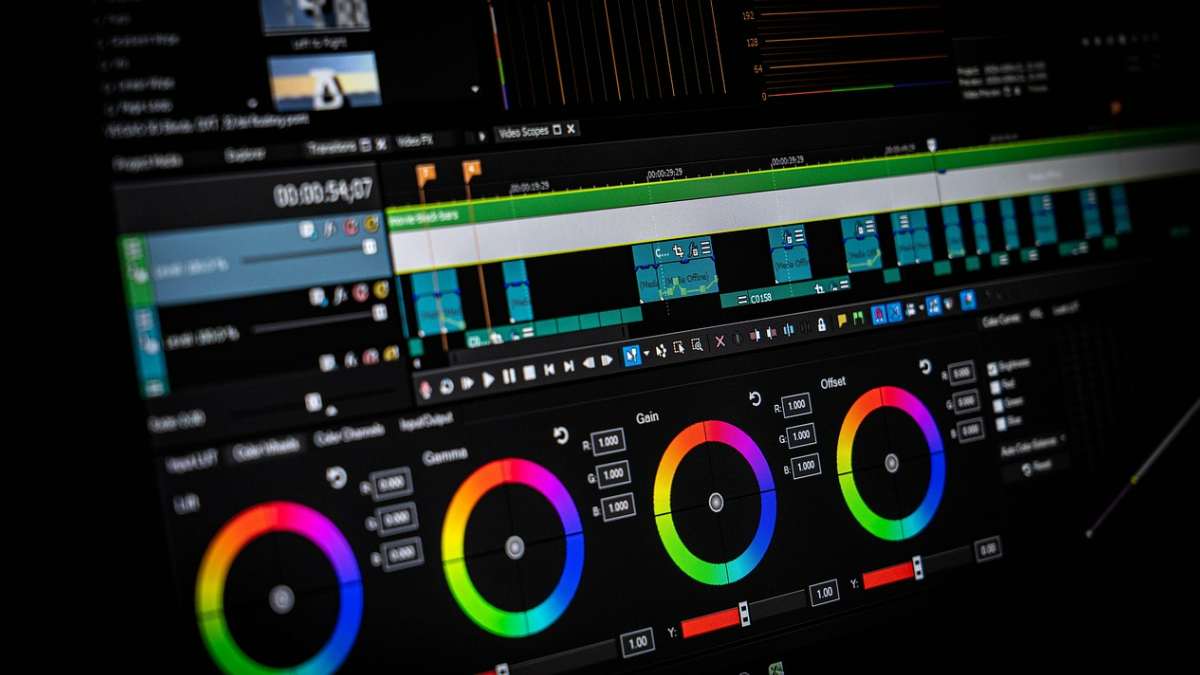
If you’ve ever spent two hours adding subtitles to a 10-minute video, you already know the problem. Recording is fast. Everything that comes after is painfully slow.
Subtitling, voiceover, translating, documenting. For product teams, support teams, and content creators, the post-production phase eats more time than the actual content creation. And in 2026, with businesses publishing video across dozens of markets, the old way of doing things simply doesn’t scale.
The Post-Production Bottleneck
Here’s what a typical video workflow looks like for most teams today:
- Record the video (5-10 minutes)
- Edit, trim, add annotations (30-60 minutes)
- Write subtitles or send to a transcription service (1-2 hours)
- Hire a voiceover artist or translator for each target language ($200+ per language)
- Write a help article or documentation based on the video (another hour)
For a single 10-minute product demo that needs to reach 5 markets, you’re looking at a full day of work and hundreds of dollars in costs. Multiply that across a library of tutorials, onboarding videos, and feature walkthroughs, and you start to understand why most companies either skip localization entirely or fall behind on documentation.
How AI Is Changing the Game
A new category of AI tools is attacking this problem head-on. Instead of replacing human creativity in video generation, these tools automate the repetitive, time-consuming steps that happen after you hit “stop recording.”
The best of these tools can take a single video upload and produce:
- Accurate subtitles in dozens of languages
- Natural-sounding AI voiceover and dubbing
- Full video translation without reshooting
- Written documentation with auto-captured screenshots
That last point is worth emphasizing. Most teams treat video and written documentation as separate workflows. Record a video, then separately write a help article with manually captured screenshots. AI post-production tools are merging these into one step.
Vidocu.ai: The All-in-One Post-Production Platform
One tool leading this shift is Vidocu.ai, built specifically for teams that record video content and need it to work harder across languages and formats.
Unlike traditional dubbing tools that focus only on audio translation, Vidocu treats dubbing as one piece of a larger post-production pipeline. Upload a video once and get subtitles, AI voiceover, dubbing, and translation in 65+ languages, all from a single dashboard.
Key Features
- AI Subtitles: Auto-generated captions with word-level accuracy. Supports burn-in for social media and embedded players.
- AI Voiceover & Dubbing: Natural narration in 65+ languages with 50+ voice options. No microphone needed. Choose by language, gender, tone, and style.
- Video Translation: One-click localization into 65+ languages. Subtitles and voiceover generated together. Process multiple languages in a single batch.
- AI Documentation: This is where Vidocu stands apart. It auto-generates step-by-step written guides with screenshots pulled directly from the video. Record a product walkthrough and get both the localized video and a help article without extra work.
- Video Editing: Trim, zoom and pan effects, annotations, background music, branding, and watermark controls built in.
Who Is It For?
Vidocu is built for teams that create screen recordings, product demos, tutorials, and training content:
- Product Marketing teams turning feature demos into multilingual launch content
- Customer Support teams converting support calls into searchable help articles
- Training & HR teams building consistent, localized onboarding materials
- Sales teams creating personalized demo videos that close deals
Pricing
Vidocu offers a free plan with 8 minutes of video processing, AI subtitles, and auto-zoom. The Pro plan starts at $39/month with video translation, AI voiceover, and unlimited exports. Business plans at $149/month add team workspaces and priority rendering.
Pros
- Replaces 3-4 separate tools in the post-production workflow (subtitles, voiceover, translation, documentation)
- Auto-documentation from video is a unique feature no other tool in this space offers
- Free plan available to test before committing
- Batch processing for multiple languages saves significant time
Cons
- Focused on post-production rather than cinematic lip-sync dubbing
- Newer platform compared to established players in the dubbing space
The Bottom Line
The video post-production bottleneck is real, and it’s costing teams time and money every week. AI tools like Vidocu.ai are proving that you don’t need separate solutions for subtitles, voiceover, translation, and documentation. One upload, one platform, every market.
For teams that record product demos, tutorials, or training content, the math is simple: automate the grind, ship faster, reach more people.
Also Read: What Beginners Get Wrong About Image to Video AI – and What Actually Works


How Cultural Organisations Can Build a Useful Guest-Publishing Strategy
Guest publishing can help a cultural organisation reach people beyond its own website, but the value depends on more than…

Using Nano Banana: When to Generate, Edit, or Remove a Background
Imagine preparing three images for a shop that sells desk lamps: a reading-corner illustration for its blog, a product photograph…