

AI avatar, reliable AI avatar platforms for large organizations, compare AI avatar platforms for ease of use — these are core considerations for brands and creators who want to scale high‑quality video production without actors, cameras, or studios.
In 2026, AI avatars have transcended novelty status. They are now pivotal tools for training, marketing, corporate communications, and social content. As content demand soars, so does the need to identify the best tools — especially those that are reliable AI avatar platforms for large organizations and creators alike.
Top 5 AI Avatar Tools for 2026
In this section, I share my first‑hand experience with each platform, noting features, pros and cons, ease of use, and ideal use cases.
1. Pollo AI
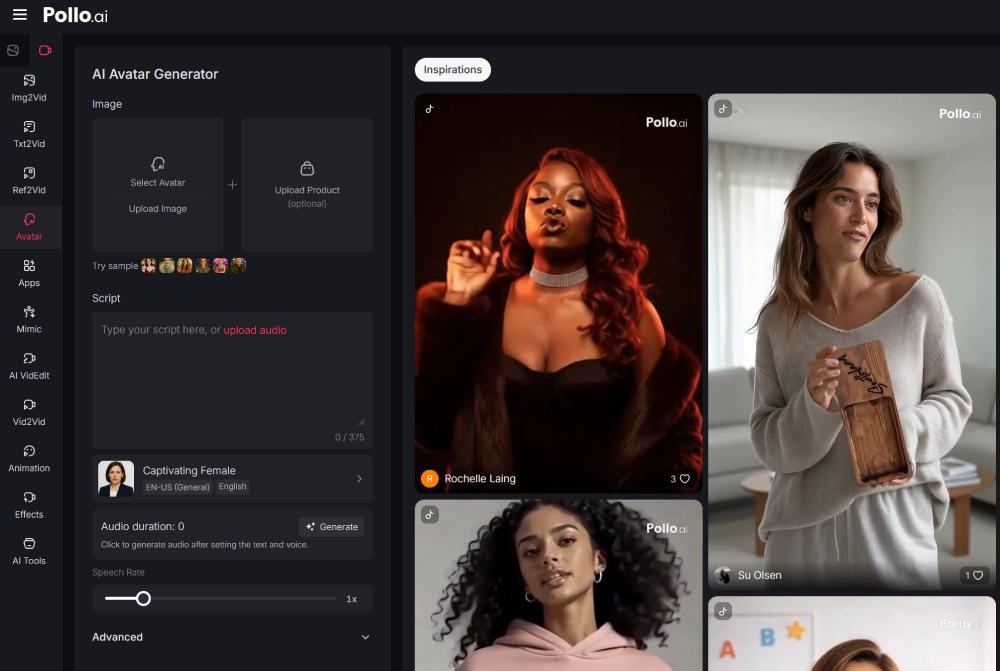
When I first tried Pollo AI avatar generator, what stood out immediately was how natural the avatar motion felt. Instead of just basic lip sync, I noticed subtle movements like head tilts, eye focus shifts, and slight posture changes that made the avatar feel more lifelike. When I generated videos, the processing speed was relatively fast — usually within a short wait, I had a usable clip ready. The overall visual quality was clean and stable, without the jitter or stiffness I’ve seen in other tools.
From a workflow perspective, I found it very easy to start: I could upload a photo, input a script, and generate a talking avatar without needing complex setup. I also liked being able to preview results on mobile since it supports web, Android, and iOS, which made iteration more flexible. While the template library isn’t as large as some older platforms, the output quality and motion realism made up for it in my experience.
Pros: Natural motion beyond lip sync; fast generation; simple workflow
Cons: Smaller template library
Best For: Creators who want dynamic, realistic avatar movement
From my experience, Pollo AI is the tool I’d suggest starting with if you care about motion quality and ease of use.
2. HeyGen
When I used HeyGen, I noticed how mature and structured the platform feels. The lip sync is very accurate — even when I tested scripts in different languages, the mouth movements stayed closely aligned with the audio. I tried generating the same script in multiple languages, and the transition between them felt surprisingly natural, which is not something all tools handle well.
The generation speed was consistent, and the output quality was stable across different avatar styles. I also found the voice library quite extensive, which gave me flexibility when creating different tones for marketing or explainer videos. However, when I wanted to customize scenes more deeply, I felt there was a slight learning curve.
Pros: Strong lip sync; multilingual support; reliable output
Cons: Advanced customization takes time to learn
Best For: Marketing content, multilingual videos, social ads
3. Synthesia
I’ve used Synthesia mainly for structured, professional projects, and the experience feels very different from more creative tools. The platform is clearly designed for scalability — when I created multiple training videos, the workflow helped me stay organized across scripts, scenes, and teams.
In terms of generation speed, it’s steady rather than fast, but the output is consistently polished. The avatars look professional and well-lit, though I sometimes felt they were slightly formal or less expressive compared to newer tools. Still, for corporate use, that consistency can actually be an advantage.
Pros: Professional output; strong collaboration features; structured workflow
Cons: UI is more complex; avatars can feel less dynamic
Best For: Corporate training, internal communication, enterprise use
4. Luma
When I tested Luma, I focused on scenes that required movement — like gestures, pointing, or interacting with objects — and that’s where it really stood out. The motion felt fluid and continuous, rather than segmented or robotic. I noticed that transitions between movements were smoother, which made short narrative clips feel more natural.
Generation speed was reasonable, though not the fastest, but the motion quality made it worthwhile. I did find that it took a bit more time to understand how to guide the output effectively, especially compared to beginner-friendly tools.
Pros: Smooth and fluid motion; strong for action-based scenes
Cons: Slight learning curve
Best For: Narrative content, gesture-heavy scenes, short storytelling clips
5. Adobe Firefly
My experience with Adobe Firefly felt more like working within a full production pipeline rather than just using an avatar generator. I could generate a base video or avatar and then refine it further in tools like Premiere Pro, adjusting lighting, color grading, and visual effects in detail.
The generation itself was relatively quick, and the output quality was polished, especially in terms of lighting and visual consistency. However, I found that to fully take advantage of Firefly, I needed some familiarity with Adobe’s ecosystem. Without that, it can feel less intuitive compared to simpler tools.
Pros: High-quality visuals; strong post-production control; Adobe integration
Cons: Requires Adobe workflow knowledge for best results
Best For: Professional editors, studios, advanced production workflows
How to Choose the Right AI Avatar Platform for You
Selecting the right tool depends on your use case. Here’s how to think about it:
What’s Your Priority?
- Enterprise Reliability: If you’re focusing on reliable AI avatar platforms for large organizations, tools like Synthesia and HeyGen shine with team workflows, compliance features, and multi‑user support.
- Ease of Use: Pollo AI & HeyGen are better for individuals and small teams who want simple workflows and quick results.
- Creative Post‑Production: Adobe Firefly fits creators who need deep editing control after generation.
- Complex Motion: Luma works best for narrative scenes with dynamic movement.
As an entertainment content creator and blogger, I’ve tested multiple AI avatar tools to see which delivers the most realistic and efficient video creation experience. From my perspective, Pollo AI stands out as the top choice, and here’s why:
1. Unmatched Realism in Motion
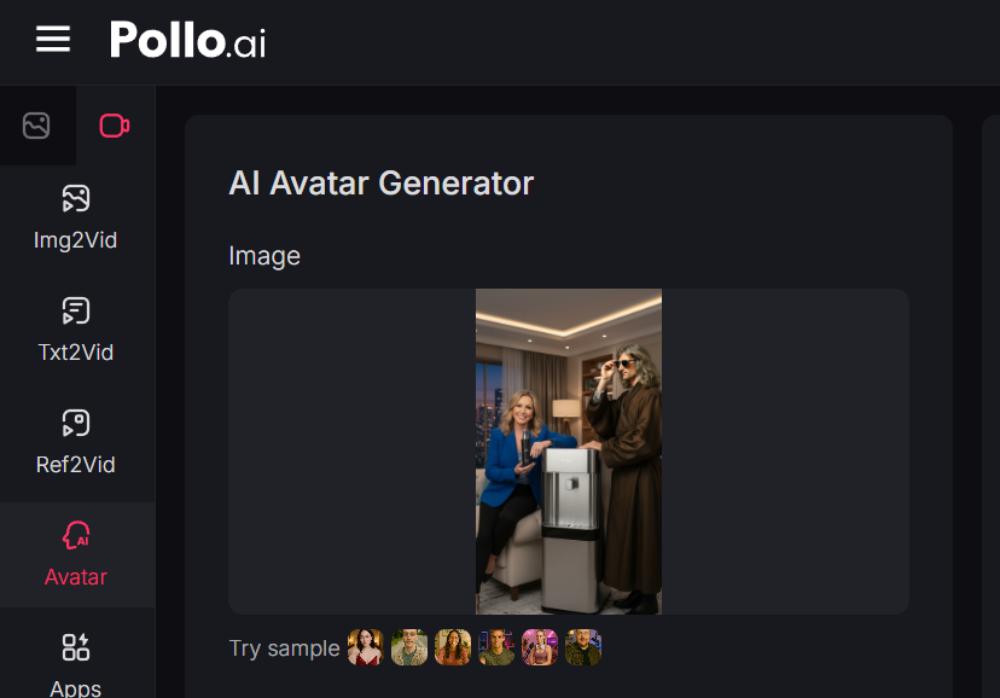
During my video tests, Pollo AI’s avatars displayed subtle, natural movements — like head tilts, eye shifts, and even hair swaying — that made the characters feel alive. This level of physical realism is something I haven’t seen consistently in other tools, and it’s crucial for engaging audiences in short-form or social content.
2. Intuitive and Fast Workflow
As someone producing multiple videos per week, I value speed without sacrificing quality. Pollo AI’s interface is incredibly user-friendly: I can upload a photo, generate an avatar, and have a ready-to-share video within minutes, both on web and mobile (Android & iOS). This convenience allows creators to stay nimble and responsive to trends.
3. Versatile for Multiple Use Cases
From humorous skits to music reaction videos, Pollo AI adapts seamlessly. I’ve used it for live commentary and short narrative clips, and the avatars consistently match the tone I want — casual, expressive, or professional. This versatility makes it ideal for independent creators and small teams.
4. Reliable for Growth and Collaboration
Even for larger projects, Pollo AI is stable and scalable. I’ve collaborated with other creators using shared avatars and assets, and it handled the workflow without lag or crashes. This reliability is essential if you want to grow your channel or work across multiple social platforms.
While tools like HeyGen and Synthesia have strong features for enterprise workflows and team management, my hands-on experience shows that for creators seeking a blend of realism, ease of use, and creative freedom, Pollo AI is the best starting point.
Whether you’re a solo creator, marketer, corporate L&D leader, or post‑production professional, understanding your workflows and output goals helps determine the best fit.
Conclusion
In 2026, AI avatars are becoming central to video workflows across industries. Whether you need reliable AI avatar platforms for large organizations or tools suited for creators, the five options above deliver powerful results. Beginners should start with Pollo AI for its balance of realism and ease of use. As your needs evolve — especially for enterprise and global workflows — HeyGen and Synthesia are excellent next steps.
Also Read: What Consistent Likes Signal to the Instagram Algorithm in 2026


The Role of Generative AI in Marketing and Communication?
The entry into modern workplaces shows people an invisible transformation which has begun to occur. A marketer creates a complete…

The Importance of Using Inventory Planning Services for Ecommerce
Customer expectations continue rising with competition growing fiercer across global markets. This makes it vital for ecommerce brands to ensure…