

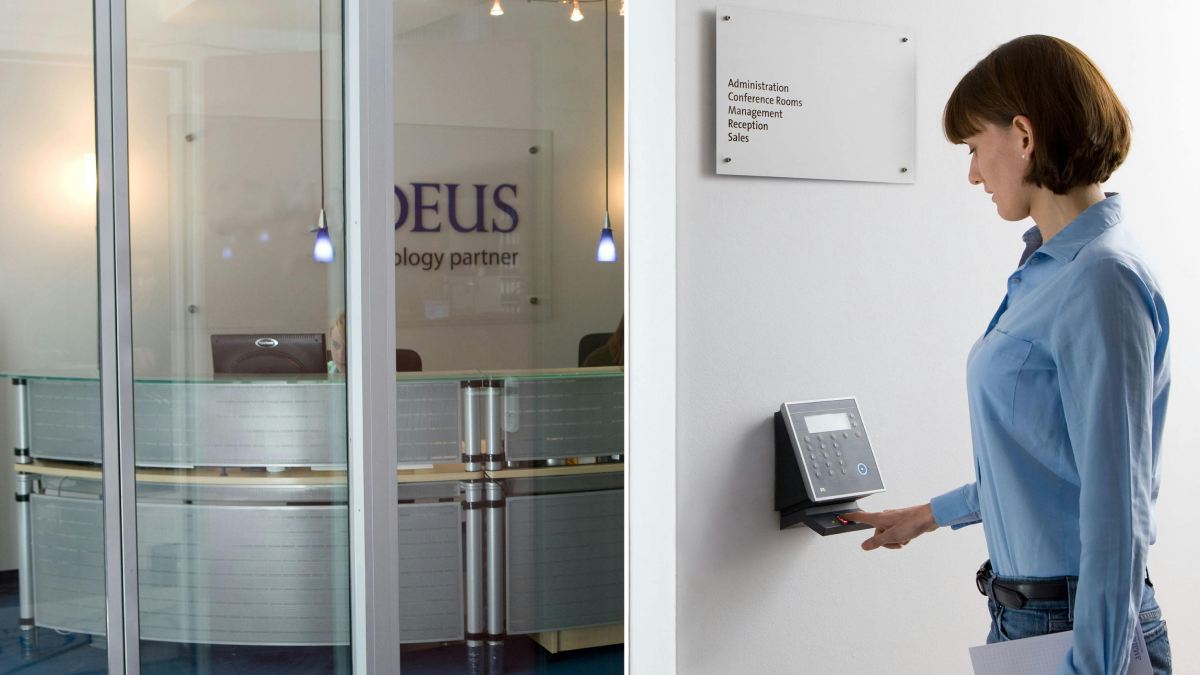
In heavily regulated sectors such as healthcare and finance, compliance audits require complete visibility into who accessed which areas, at what time, and under what conditions. Regulatory bodies expect this information to be presented clearly and without gaps. Manual recordkeeping introduces the risk of errors and consumes significant resources. Organizations that depend on spreadsheets or handwritten logs often struggle to provide audit-ready data.
Practical Access Log Use As The Basis Of An Audit Trail
Modern access control systems generate automated access logs. Access logs provide a good source of detailed records of individuals entering or attempting to enter a particular area of a facility. Each entry provides details of who accessed the area, what time the access occurred, and whether the individual was permitted or denied access. The access log eliminates uncertainty as it provides clear and verified activity information for auditors when they require access records.
Generating Compliance Reports Automatically Saves Time
Access logs can be automatically converted into compliance reports based on the requirements of an auditor using the correct system. Rather than compile manual reports, compliance teams can schedule recurring exports of their access logs with various filtering options available, such as date range, access point, or specific user groups. What used to take hours to create now takes mere seconds to complete. Automation saves not only time, but also increases the accuracy of reports and allows compliance teams to allocate time for other compliance critical tasks.
Protecting The Integrity Of Data For Audits
Auditors have to depend upon the integrity of the data contained within the access logs. Because the access logs generated by an integrated access control system are unchangeable, this provides a secure, tamper-proof audit trail of activity. This meets many regulatory requirements concerning data integrity and audit trail accountability. When an auditor reviews the access logs, they can determine if the data has been altered or selectively modified. This is especially useful for facilities that need to demonstrate real-time control over restricted access areas.
Use Cases In Regulated Industries
Hospitals utilize access logs to confirm who has accessed a pharmaceutical storage area or sensitive patient data in order to protect patients and staff ensure their safety and very importantly to comply with legal regulations to prevent theft at all costs. Banks monitor entries to server rooms and vaults to prevent theft. Both cases utilize the access logs to replace speculation with confirmed data. During an audit, a report that verifies controlled access history, including timestamps and badge identification, fulfills compliance documentation requirements. Hospitals and banks utilize automation not only for audits, but also for Internal Investigations and Risk Reviews.
Simplifying Compliance Workflows
Using access logs for audits streamlines compliance preparation across sectors where data accuracy is non-negotiable. By relying on verified records generated from an access control system, organizations reduce manual labor, eliminate the possibility of tampered data, and align with audit protocols efficiently. The result is a more consistent, timely, and cost-effective way to meet regulatory obligations without straining internal teams.
Also Read: Elevating Business Security: Proactive Strategies for a Digital-First World


Fewer Tabs, Fresher Adverts: What Job Posting APIs Mean for UK Recruitment Teams
Ask any in-house recruiter or agency consultant in the UK where their week goes, and a surprising share of the…

How AI Image Generation Is Changing the Way We Create Visual Content
Creating high-quality images used to require a combination of design skills, expensive software, photography equipment, and plenty of time. Today,…