

Managing customer relations in today’s manufacturing environment is about so much more than just keeping track of sales. Today’s manufacturers are dealing with more exacting and knowledgeable customers, often with longer sales cycles and many one-of-a-kind products that require thoughtful interaction at each point of contact throughout the sale process.
Unlike traditional B2C or basic B2B setups, manufacturing companies handle all sorts of technical questions, RFQs (Request for Quotations), detailed engineering talks, and production feasibility checks before a deal even happens. Every conversation might touch on design reviews, choosing materials, or working out costs. This adds a whole technical layer to the process, way more involved than most standard sales.
Because of that, lots of manufacturers have realized that basic, one-size-fits-all CRM systems just can’t keep up anymore.
Limitations of Generic CRM Systems in Manufacturing
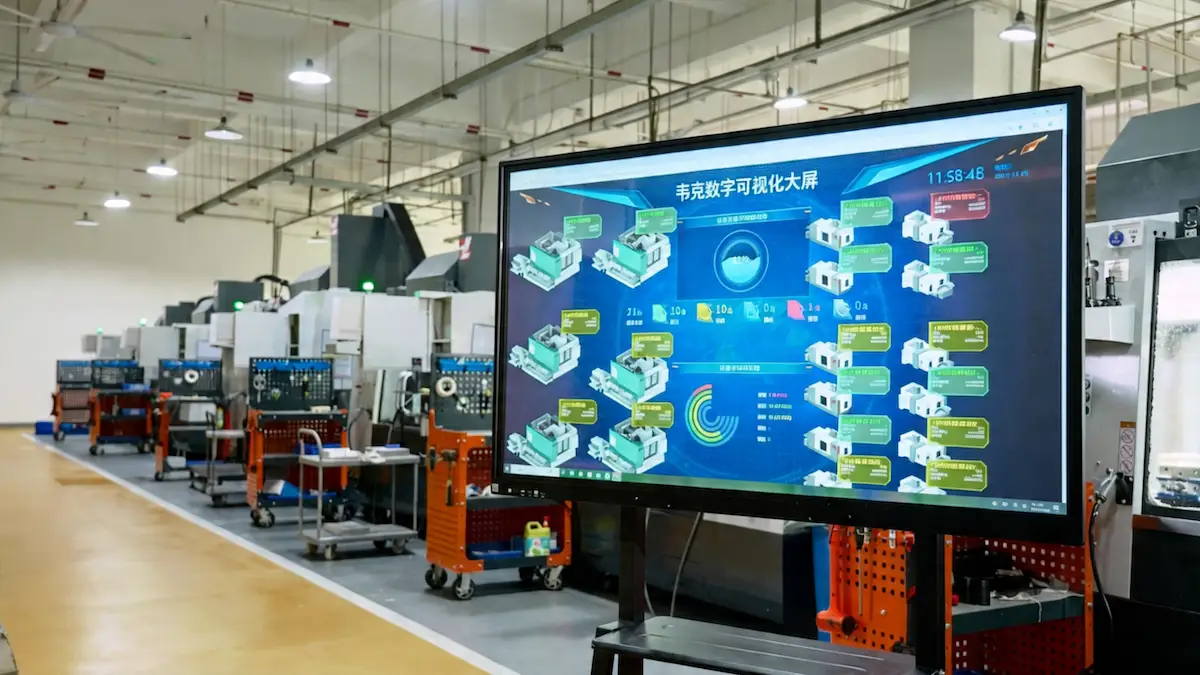
Most generic CRM systems are made for standard sales: tracking leads, managing pipelines, sending messages. This works for typical sales jobs, but not in complex places like WayKen Manufacturing—a custom CNC machining shop—where every order goes through deep technical and engineering stages before production even starts.
A big pain point is the lack of support for things like RFQs and technical quoting. In manufacturing, and especially custom machining, pricing isn’t just a number—it depends on the geometry, tolerances, what materials you’re using, and how complex the machining is. Generic CRM systems treat quotes as simple prices. They can’t record the engineering logic behind the costs, so accuracy and consistency often suffer during negotiations.
Additionally, these systems usually don’t go well with machining or engineering workflows. Once a sales lead starts getting technical, key information such as CAD drawings, machining notes, requirements have to be sent manually. This opens the door to mistakes between departments and slows down the whole project.
They additionally struggle when it comes to project-based or customer orders as these programs were not created for iterative processes. With custom CNC machining, revisions occur frequently in design. As such generic CRM’s are not setup to record these design revisions, communication flow between manufacturer and client, and also follow through on previous communications. This results in confusion and an opportunity for duplicate work.
Even after a sale has been made, generic CRMs do little else to support. Sales teams lose track of where a machined part is at; whether it is under machining, inspection or finish. When sales teams lose track of these parts, this causes a breakdown in coordination among all parties involved. Therefore, manufacturers are left to rely upon disconnected excel sheets, email and ERPs that break-up data and make team-work cumbersome.
What Makes Manufacturing CRM Systems Different
Industry-specific CRM systems solve these headaches because they’re actually built for what manufacturers need. The system ties together customer management with manufacturing. Thus, sales, engineering and the shop floor can be assured they are all working off the same information. In custom CNC machining this is especially important since each and every customer order becomes a very detailed project requiring an adequate amount of planning and proper execution.
A significant difference is how they manage quotations for requests for quotation (RFQ) and the way they generate quotations. These CRMs are designed to create quotations with the correct product pricing information – including materials, tolerance, machine time required, production route chosen as opposed to simply entering a number. This method creates a quote that accurately reflects actual machining conditions.
These systems also connect right to engineering and production teams. This allows CAD files, technical notes, and feedback flow seamlessly between departments, with a lot less risk of things falling through the cracks. They support project-based workflows, not just linear sales pipelines. So, every order is managed as a production project with key stages and milestones, just like real manufacturing jobs.
Manufacturers track specs, drawings & changes made using an organized system. All design changes are viewable by all personnel; thus, the chance of error when machining is greatly reduced. This allows the CRM to become collaborative between all teams as opposed to a sales log. Examples of CRM software that have been used by manufacturing companies include Salesforce’s Manufacturing Cloud, Microsoft Dynamics 365, Hubspot CRM, Insightly, and Zoho CRM.
How Industry-Specific CRM Improves Manufacturing Efficiency
The greatest advantage of using industry-specific CRMs is to increase efficiencies across the various departments involved in manufacturing. Here are how these tools improve manufacturing efficiency:
1. Faster RFQ Processing
Automated workflows let manufacturers reply to quotation requests quicker and more accurately, standardizing how info gets in, cutting down on manual tasks, and making customer responses faster up front.
2. Better Cross-Department Collaboration
Sales, Engineering and Production can all work within the one system. This will make it easier to share information and close gaps in communication as well as help maintain a level of coordination across the organization, especially when working on complex custom orders.
3. Improved Order Accuracy
Having Customer requirements, CAD Files and technical specifications centralized into one place (reducing misunderstandings), ensures that production team is working with the correct information and this greatly reduced errors, scrap rates and costly rework
4. Shorter Lead Times
Automating workflow, improving departmental communication, eliminating non-productive time as well as providing real-time data exchange across departments enables quicker response times throughout the manufacturing’s entire process.
Conclusion
A generic CRM is simply unable to meet the needs of manufacturing’s complexity; especially for a custom CNC shop. As seen at companies like WayKen Manufacturing, dealing with RFQs, engineering data, and production doesn’t work unless everything’s integrated. The industry-specific CRM will provide a solution that ties together departments for improved team effort, greater accuracy and increased efficiency. Overall, these solutions will allow manufacturers to be more efficient, make less errors while maintaining complete control on each step of their products’ delivery from sales to end-user.
Also Read: How Small Businesses Can Keep Their Digital Brand Clear Across Every Channel
Why Manufacturers Need Industry-Specific CRM Systems

Why Manufacturers Need Industry-Specific CRM Systems
Managing customer relations in today’s manufacturing environment is about so much more than just keeping track of sales. Today’s manufacturers…

Third-Party vs Comprehensive Insurance: Finding the Right Cover for Your Scooter
Your scooter needs reliable insurance that can provide financial protection when any unexpected situation arises. Third-party and comprehensive policies provide…