

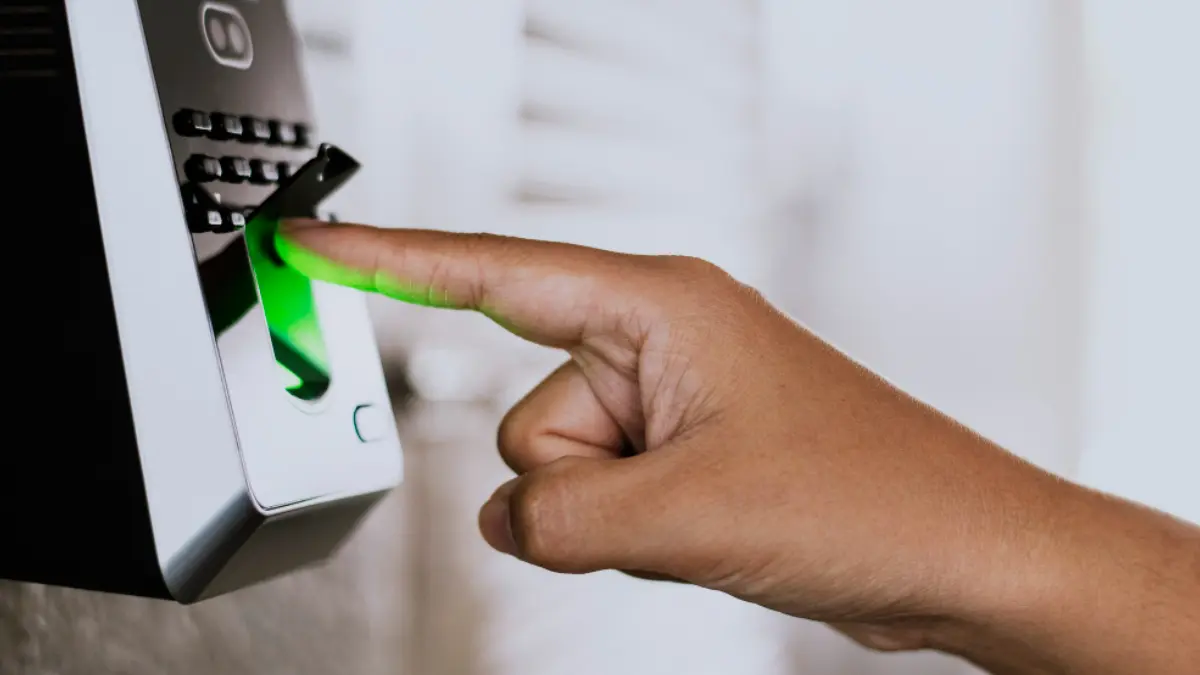
Implementing a biometric attendance system in UAE offices is an important step towards improving workforce management, attendance accuracy and payroll efficiency. Whether a company operates from a small office in Dubai, a warehouse in Sharjah, a retail outlet in Abu Dhabi or multiple locations across the UAE, a properly selected attendance system can help simplify daily employee management.
Traditional attendance methods, including paper registers and manual timesheets, can lead to errors, time theft and unnecessary administrative work. Modern biometric attendance machines use fingerprint recognition, facial recognition or other biometric technologies to record employee check-in and check-out times more efficiently.
However, choosing the right device is only one part of the process. Businesses should also consider UAE labour requirements, employee privacy, payroll integration, network connectivity, installation requirements and ongoing technical support.
Companies such as TACS Contracting LLC and TACS TRADING LLC provide biometric, access control and attendance-related solutions for businesses looking to modernise their workplace operations.
Here are the top 10 things to consider before implementing a biometric attendance system in UAE offices.
1. Choose the Right Biometric Technology
The first decision is selecting the most suitable authentication method for your workplace. Different offices have different requirements depending on employee numbers, working conditions and security needs.
Fingerprint attendance systems are suitable for many offices, shops, clinics and small businesses. They offer a practical way to record attendance without relying on physical attendance cards.
Facial recognition attendance systems allow employees to clock in by presenting their face to a recognition terminal. They can be useful in corporate offices, commercial buildings and workplaces where touch-free authentication is preferred.
Multi-biometric systems may combine fingerprint, facial recognition, cards or other supported credentials for organisations that require additional flexibility.
Brands such as Hikvision and ZKTeco offer different biometric attendance and access control terminals for various business requirements. HID also provides identity and access control technologies, with suitable solutions depending on the specific product and deployment.
Before purchasing a device, assess the number of employees, the location of the attendance terminal, expected daily traffic and whether contactless authentication is a priority.
2. Consider UAE Labour and Attendance Requirements
Attendance records play an important role in managing working hours, overtime, late arrivals, absences and payroll calculations. Businesses operating in the UAE should ensure that their attendance policies and software settings are consistent with the labour rules applicable to their organisation.
Consider how the system will handle:
- Employee check-in and check-out times.
- Shift schedules and rotating shifts.
- Weekly rest days and public holidays.
- Late arrivals, early departures and approved absences.
- Overtime calculations and management approvals.
- Leave records and attendance adjustments.
For applicable private-sector employers, UAE labour legislation and related regulations govern working hours, overtime and other employment matters. Certain categories and jurisdictions may have different rules, so businesses should confirm which requirements apply to them.
A biometric device records attendance events, but it does not automatically ensure legal compliance. The accompanying attendance software must be configured correctly, and HR should review how the system calculates working hours and overtime.
3. Check Payroll and HR Software Integration
A biometric attendance system becomes more valuable when it works with the company’s existing HR and payroll software.
Manual transfer of attendance reports into payroll spreadsheets can create errors, duplicate work and delays. Integration can help HR teams process employee working hours more efficiently.
Before implementation, confirm whether the system supports:
- Payroll export in Excel or CSV format.
- Integration with the company’s existing HR software.
- Automated attendance reports.
- Shift and overtime calculations.
- Employee department and branch management.
- API integration, where supported and required.
Some biometric attendance solutions also support centralised management for companies operating across multiple branches.
Ask the supplier to demonstrate the complete workflow, from employee registration and clock-in to attendance approval and payroll export. Confirm whether integration is included in the quotation or requires additional software, development or licensing.
4. Select a Reliable Brand and Suitable Device
Not every biometric attendance machine offers the same features. Businesses should compare devices according to their actual requirements instead of choosing solely on price.
ZKTeco offers a range of fingerprint, facial recognition and time attendance terminals for different workplace sizes and applications.
Hikvision provides facial recognition terminals and access control products, including devices that may support attendance-related functions depending on the model and software configuration.
HID is known for identity technologies and secure credential solutions. Organisations evaluating HID products should verify the exact device’s compatibility with their attendance platform and required biometric functions.
When comparing these brands, check:
- Supported authentication methods.
- Employee and transaction capacities.
- Communication options, such as Ethernet or Wi-Fi where available.
- Compatibility with attendance management software.
- Data export and integration capabilities.
- Warranty, maintenance and technical support.
A device should be selected based on verified specifications and compatibility, not simply on brand reputation. Features and capacities can vary significantly between models.
5. Evaluate Employee Privacy and Biometric Data Security
Biometric information is sensitive because it relates to an individual’s physical characteristics. Employers should plan carefully for how this information is collected, stored, accessed and protected.
Before introducing biometric attendance, businesses should review the UAE data protection requirements applicable to their organisation, including relevant federal legislation and any special rules that apply to their industry or jurisdiction.
Important considerations include:
- Informing employees about the purpose of biometric attendance.
- Establishing an appropriate legal basis for processing personal data.
- Limiting access to biometric records and employee information.
- Protecting data during transmission and storage.
- Defining retention periods and secure deletion procedures.
- Reviewing cloud hosting, remote access and third-party software arrangements.
Where possible, understand whether the device stores biometric templates rather than reconstructable fingerprint or facial images, and confirm the manufacturer’s security documentation. Template storage alone does not remove the need for appropriate safeguards.
Businesses should also establish a practical alternative attendance procedure for exceptional cases, such as a device failure or an employee who cannot use the selected authentication method.
6. Plan the Installation Location and Network Connectivity
Even a high-quality biometric terminal can perform poorly if it is installed in an unsuitable location.
The installation point should allow employees to register attendance conveniently without creating long queues at the beginning or end of a shift.
Before installation, consider:
- The number of employees passing through the entrance.
- Lighting conditions for facial recognition terminals.
- The availability of power and network connections.
- Internet or local network reliability.
- Indoor or outdoor installation requirements.
- Physical protection from heat, dust and other environmental conditions.
For large offices, factories and warehouses, more than one attendance terminal may be required to manage employee traffic effectively.
Also check how the system behaves during a network outage. Some devices can store attendance transactions locally and synchronise them later, but this capability must be confirmed for the selected model and software.
A site assessment before installation can help identify wiring requirements, mounting positions and potential connectivity issues.
7. Decide Whether Attendance and Door Access Should Be Integrated
Some organisations need attendance tracking only, while others want to combine employee attendance with controlled entry to offices, server rooms, warehouses or restricted areas.
An integrated solution can reduce the need for separate employee credentials and simplify administration. However, attendance recording and access control are different functions.
A terminal that supports facial recognition does not necessarily provide every required door access feature, and an access control event does not automatically represent a valid working-hours record.
If integration is required, verify that the proposed system supports the relevant functions, such as:
- Door controllers and compatible electronic locks.
- Employee access permissions.
- Time-based access rules.
- Access event reporting.
- Attendance software integration.
- Emergency exit and life-safety requirements.
Hikvision, ZKTeco and HID offer products across identity and access control categories, but the exact combination of devices and software must be checked before purchase.
For UAE offices, the system should be designed around the building’s access requirements as well as the company’s HR procedures.
8. Calculate the Total Cost of Ownership
The cheapest biometric attendance machine may not be the most economical solution over several years.
Businesses should calculate the full implementation cost, including hardware, software, installation, configuration, training and ongoing maintenance.
The quotation should clearly identify:
- The price of each biometric terminal.
- Attendance software and licensing charges.
- Installation, cabling and network work.
- Payroll or HR integration costs.
- Employee enrolment and initial configuration.
- Warranty coverage and maintenance charges.
- Cloud subscription or future upgrade costs, where applicable.
A small office may need only one terminal, while a company with several branches may require multiple devices and centralised attendance software.
Ask the supplier to explain any recurring fees and the cost of adding employees, terminals or new branches later. This helps businesses avoid unexpected expenses as their workforce grows.
9. Provide Employee Training and Test the System Before Launch
Successful implementation depends on employee adoption as much as technical performance.
Employees should understand how to register their credentials, record attendance correctly and report problems. HR personnel and supervisors should receive additional training on reports, shift configuration, corrections and approval procedures.
Before the system goes live, conduct a pilot test that includes:
- Employee enrolment and authentication.
- Check-in and check-out transactions.
- Shift changes and overtime scenarios.
- Attendance report generation.
- Payroll data export or integration.
- Network interruption and transaction synchronisation.
- Administrative permissions and access restrictions.
Testing is particularly important for companies with multiple departments or branches. It helps identify incorrect schedules, duplicate employee records and reporting issues before they affect payroll.
Maintain a documented procedure for missed punches, device downtime and authorised attendance corrections. This ensures that genuine problems can be resolved without compromising the reliability of attendance records.
10. Choose a Supplier That Provides Installation and After-Sales Support
Purchasing the hardware is only the beginning. Businesses also need reliable assistance with installation, configuration, troubleshooting and future expansion.
A suitable supplier should understand the company’s attendance requirements rather than simply recommend a device based on its available stock.
Ask whether the supplier can provide:
- Site assessment and device recommendations.
- Supply and professional installation.
- Employee enrolment and system configuration.
- Attendance software setup.
- Payroll integration support, where required.
- User training and technical documentation.
- Warranty assistance and maintenance services.
TACS Contracting LLC provides biometric attendance systems and access control solutions for businesses in Dubai and across the UAE. Its offering can be considered by organisations seeking support with biometric systems, attendance terminals and related access control requirements.
TACS TRADING LLC is another option for businesses sourcing biometric attendance machines, access control equipment and related technology products. Companies should confirm the required device model, software compatibility, installation scope and support arrangements before finalising an order.
Choosing a supplier that can explain both the hardware and the complete attendance workflow helps businesses make a more informed investment.
Conclusion
Implementing a biometric attendance system in a UAE office requires more than choosing a fingerprint or facial recognition machine. Businesses should evaluate the technology, applicable labour requirements, employee privacy, payroll integration, network infrastructure, access control needs, total cost and after-sales support.
Brands such as Hikvision, ZKTeco and HID offer technologies that may suit different identity, attendance and access control applications. The right choice depends on the organisation’s size, working arrangements, security requirements and existing software.
For businesses planning a new installation or upgrading an existing attendance solution, TACS Contracting LLC and TACS TRADING LLC can be considered when evaluating biometric attendance and access control products for UAE workplaces.
A carefully planned implementation can help improve attendance record accuracy, reduce manual administration and give HR teams better visibility into workforce activity.
Frequently Asked Questions
Which biometric attendance system is suitable for UAE offices?
The right system depends on employee numbers, working schedules, budget and software requirements. Fingerprint terminals may suit smaller offices, while facial recognition or multi-credential systems may be useful for larger workplaces or specific operational needs.
Are biometric attendance systems suitable for small businesses in Dubai?
Yes. Small businesses can use a single terminal with attendance software to record employee check-in and check-out times. The selected system should support the company’s reporting requirements and allow expansion if the workforce grows.
Can a biometric attendance system calculate overtime?
Many attendance platforms support overtime rules, shift schedules and working-hours reports. However, the rules must be configured correctly and checked against the employment requirements applicable to the business.
Can biometric attendance be integrated with payroll software?
Yes, depending on the device, software and payroll platform. Integration may use reports, file exports or APIs. Businesses should confirm compatibility and any additional development or licensing costs before purchasing.
Where can businesses source biometric attendance systems in Dubai?
Businesses can explore biometric attendance and access control solutions from suppliers such as TACS Contracting LLC and TACS TRADING LLC. Before ordering, confirm the required model, software compatibility, installation services, warranty and support arrangements.
Also Read: Dynamics 365 Migration: Thinks to Know Before a Single Record Moves
Top 10 Things to Consider When Implementing a Biometric Attendance System in UAE Offices

Top 10 Things to Consider When Implementing a Biometric Attendance System in UAE Offices
Implementing a biometric attendance system in UAE offices is an important step towards improving workforce management, attendance accuracy and payroll…

Fewer Tabs, Fresher Adverts: What Job Posting APIs Mean for UK Recruitment Teams
Ask any in-house recruiter or agency consultant in the UK where their week goes, and a surprising share of the…