

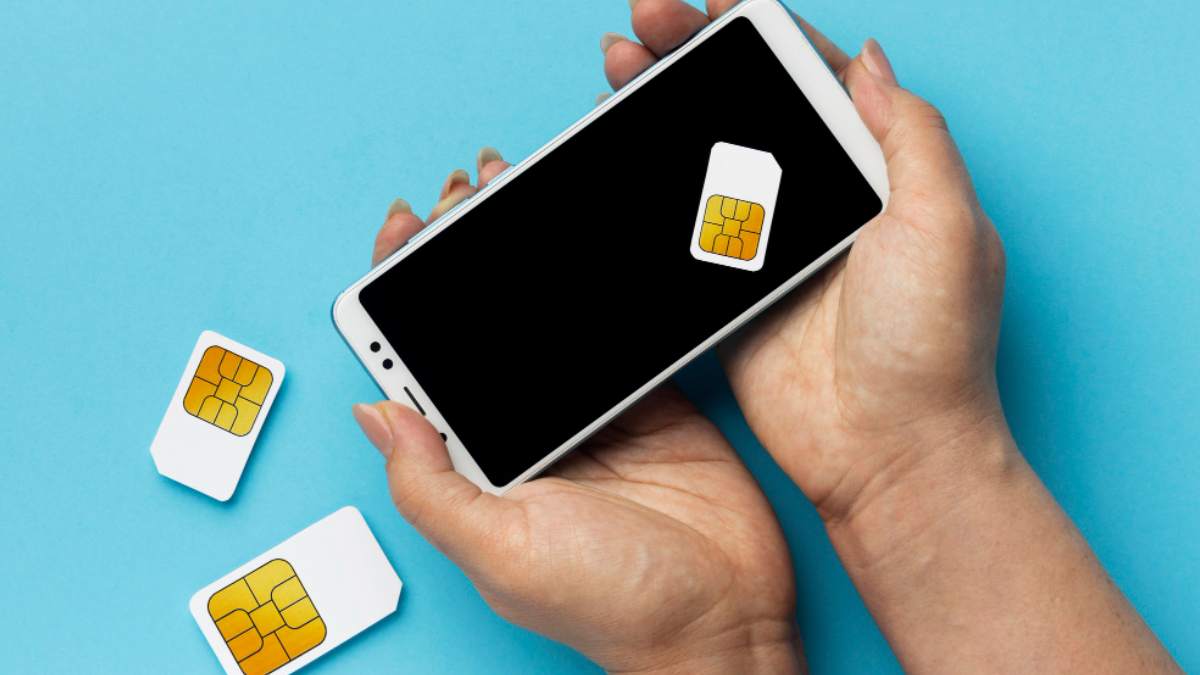
Staying connected while traveling can be a challenge, especially with the complications of traditional SIM cards. The process of swapping SIM cards or dealing with roaming fees can disrupt the convenience of your journey. Fortunately, eSIM technology provides a simpler, more efficient way to maintain mobile connectivity without the hassle.
With eSIMs, users no longer need physical SIM cards. This digital solution allows easy switching between networks and mobile plans. For instance, Nomad eSIM plans offer a flexible and stress-free way to stay connected while traveling. This article explores the different types of eSIM plans available and how they enhance mobile connectivity for users.
Types of eSIM Plans
eSIM plans come in various forms, designed to suit the needs of different types of users. From short-term travelers to long-term residents, there are options available that cater to specific requirements.
Short-Term and Prepaid eSIM Plans
Short-term eSIM plans are perfect for those who need a temporary mobile connection while traveling. These plans usually offer a set amount of data for a fixed period, such as 7 days, 14 days, or 30 days. Prepaid options allow users to pay upfront, offering complete control over their usage and expenses. These plans are ideal for vacations, business trips, or short stays in a foreign country.
With eSIM technology, activating these prepaid plans is effortless. All that is needed is to choose a provider and scan the QR code or enter the details manually. The ability to switch between multiple plans gives travelers flexibility, enabling them to choose the best plan for their needs.
Data-Only eSIM Plans
Data-only eSIM plans are designed for those who primarily need internet access on the go but don’t need voice services. These plans offer data packages that can be used for browsing, streaming, and other online activities. Data-only plans are a great option for travelers who rely on Wi-Fi calling or messaging apps for communication, as they can connect to local networks without the need for a voice plan.
Nomad eSIM plans, for instance, offer a variety of data-only packages that cater to different destinations and needs. These plans typically include a fixed amount of data and provide coverage in multiple countries. With the ease of activating an eSIM and the flexibility to switch between plans, users can enjoy hassle-free internet connectivity wherever they go.
Global and Regional eSIM Plans
Global eSIM plans provide worldwide coverage, ensuring users stay connected no matter where they travel. These plans typically come with a higher data allowance, as they need to cover multiple countries across various continents. A global eSIM plan is ideal for frequent travelers who visit multiple countries and don’t want to deal with the inconvenience of purchasing a new SIM card every time they cross a border.
Regional eSIM plans, on the other hand, offer coverage within a specific region. These plans are often more affordable than global options and provide excellent value for those traveling within a particular area. For instance, regional plans can cover the EU, Asia, or North America, allowing users to access mobile data without the high costs of international roaming.
Choosing the Right eSIM Plan
Selecting the ideal eSIM plan requires careful consideration of several factors to ensure it meets your specific needs. Here are the key aspects to keep in mind when choosing the right plan:
1. Data Needs
- Consider how much data you’ll need during your travels. If you plan to use mobile data frequently for activities like browsing, streaming, or navigation, opt for a plan with a larger data allowance.
- For lighter users, smaller data packages are available at a lower cost.
2. Coverage Area
- Global Coverage: For frequent international travelers, choose a global eSIM plan that ensures connectivity across various countries.
- Regional Coverage: If traveling within a specific area, a regional eSIM plan can provide a more affordable option without sacrificing reliability.
3. Duration of Travel
- Long-Term Travel: If you’re traveling for an extended period, select a plan with a larger data allowance and a longer duration.
- Short-Term Travel: Prepaid or data-only plans are perfect for short trips, offering affordability and flexibility.
4. Provider Reputation
- Choose a provider known for reliable coverage and good customer service. For instance, you can consider Nomad eSIM plans as they offer exceptional coverage and ease of use for travelers around the world, making them a great option for seamless mobile connectivity.
- Reading user reviews and researching the provider’s customer support options can help ensure you select the best service for your needs.
eSIM technology has revolutionized mobile connectivity, offering travelers and digital nomads a simpler, more flexible way to stay connected. With a variety of eSIM plans available, users can choose the one that best fits their needs, whether for short-term travel, data-only usage, or global coverage. The convenience of activating eSIMs instantly and switching between plans with ease makes mobile connectivity easier and stress-free. If you’re looking for a seamless solution, eSIM plans are an excellent choice, offering flexibility and reliability in any corner of the world.
Related Post: Why More App Users Are Switching to eSIM and Virtual Numbers


Third-Party vs Comprehensive Insurance: Finding the Right Cover for Your Scooter
Your scooter needs reliable insurance that can provide financial protection when any unexpected situation arises. Third-party and comprehensive policies provide…

How to Compare Health Insurance Claim Settlement Ratios?
A health insurance claim settlement ratio can appear to offer a quick answer about an insurer’s reliability, but one percentage…